
Understanding the Nylon Sanding Belt in Modern Manufacturing
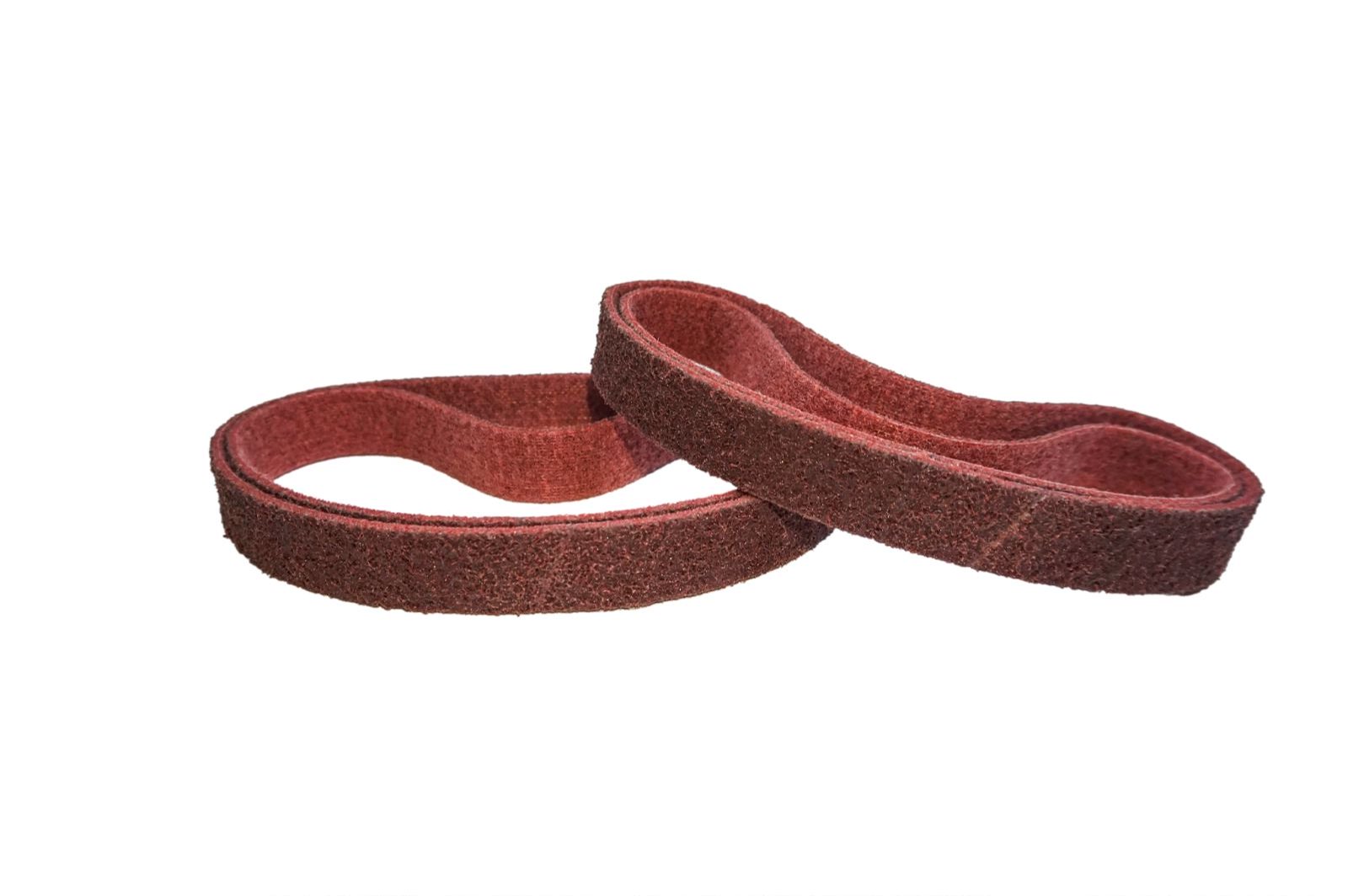
Nylon Sanding Belt is among the basic abrasive tools applied in metalworking and woodworking, besides automotive refinishing and general surface treatment applications. Its non-woven nylon fiber matrix construction contains abrasive grains that offer flexibility with controlled abrasion, long tool life together with consistent results of surface finishing. A clean finish without damage to the workpiece, wherein a high level of quality appearance, functionality, as well as precision has been steadily demanded by industrial evolution; this is preferred using Nylon sanding belts wherein such requirements can be satisfied through them.
Manufacturers and technicians love this tool for more than just how well it works. They can use it on a huge range of different materials. Whether the shop needs to do some light polishing or remove surface scale, the nylon sanding belt performs smoothly and consistently. Unlike hard abrasive belts, which may suddenly begin cutting too aggressively or generate excessive heat, the cushioning effect of nylon fibers keeps the sanding process stable and appropriate, even for sensitive parts! Its open-web construction allows it to run cool, resist clogging, and maintain a high level of cutting action through long work cycles.
Material Structure and Engineering of the Nylon Sanding Belt
The Unique Non-Woven Nylon Matrix
The nylon sanding belt is unique for its non-woven fiber construction. Nylon fibers are locked into an open, breathable web structure that provides both cushion and flexibility. This matrix lets the belt conform to curved surfaces and rough textures without taking too much of the material off. The open cell structure allows good air circulation, so there is little heat buildup when using it over long periods for sanding and polishing.
Abrasive Grain Types and Their Effects
Abrasive materials within the nylon matrix, such as aluminum oxide, silicon carbide, or ceramic grains, determine the belt’s cutting characteristics. Aluminum oxide is durable and has a balanced cutting strength suitable for everyday finishing work. Silicon carbide provides sharper cutting edges for harder materials that require more aggressive abrasion. Ceramic grains provide extended life and durable cutting power in industrial applications where consistent performance is needed.
Coarse grit belts remove or clean materials in heavy applications, medium grits for general surface refinements, and fine grits to achieve smooth polished finishes.
Advantages of the Nylon Sanding Belt Across Industry Sectors
Flexibility on Complex and Irregular Shapes
Perhaps the biggest advantage a nylon sanding belt can offer is in its flexibility to suit complex shapes, curved surfaces, and edges. This would be of particular use to an industry where component parts frequently possess intricate geometries aerospace and automotive manufacture as well as precision machining. It provides good access to hard-to-reach areas while keeping constant contact with the surface over more accessible regions.
Controlled Surface Removal Without Scratching
Nylon fibers provide cushion so that there will not be too much cutting pressure. This ensures a nylon sanding belt to make an even removal of material and also protects against any surface damage or deep scratches. The soft metals, decorative surfaces, and delicate materials can benefit from the balanced cutting profile of this belt, which maintains both structural as well as aesthetic integrity.
Enhanced Clog Resistance
Clogging is a common problem with abrasive belts, particularly when they are used on wood, paint, or soft metals. The open-web structure of the nylon sanding belt permits free escape of dust and debris while in use. Thus, there is no buildup to hamper its effectiveness or create an uneven finish; it remains effective consistently until fully spent.
Heat Reduction Through Airflow
The breathable structure of the nylon sanding belt helps in the quick dissipation of heat, thus making it suitable for use on heat-sensitive materials as well as for long-duration sanding operations. This feature adds to the belt’s service life by keeping it cool and also makes the operator comfortable and safe.
Industrial Applications of Nylon Sanding Belts
Use in Metal Surface Conditioning
Most of the metalworking industries use nylon sanding belts for removing rust and oxidation, cleaning weld seams, and surface preparation before painting or coating. The controlled abrasive action makes it suitable for stainless steel, aluminum, brass, and other metals to be finished smoothly and uniformly. It is also used to develop a consistent satin finish on sheet metal panels employed in appliances and architectural installations.
Woodworking and Surface Refinement
Woodworkers use nylon sanding belts to break sharp edges, give the final surface smoothness, and take out small imperfections without destroying the wood grain. The belt is gently cutting so it can retain natural textures while bringing the wood up for varnish, stain, or paint. Commonly also used in furniture restoration to bring back old surfaces without taking too much material off.
Automotive and Mechanical Applications
In automotive workshops, nylon sanding belts are used in the preparation of metal parts for painting, cleaning engine components, and surface polishing. Their capability to minimize scratching while delivering a consistent finish makes them suited to restoration work, body repair, and detailing operations. The aluminum wheels and exhaust components provide applications for use on parts that demand accurate surface treatment.
Knife Making and Blade Polishing
Nylon sanding belts are used by knife makers and other metal workers to refine bevels, remove grinding marks, and polish to a high gloss. The belt gives excellent control over the cut, allowing uniform blade surfaces, which later enhance appearance as well as performance. Its flexibility brings out smooth changes between different angles on the blade.
Deburring and Edge Smoothing
In industrial machining, it is mainly the cutting processes that leave sharp edges or burrs on the parts. A nylon sanding belt will effectively smooth these without causing unnecessary depletion of material. Nylon sanding belts are widely used by manufacturers of electronic and automobile components and machinery parts to ensure safety as well as resultant quality in their products.
How to Choose the Right Nylon Sanding Belt
Selecting the Proper Grit Level
Proper selection of grit is important to achieve the desired results.
Heavy cleaning, removing rust or any other unwanted material on the surface, and aggressive shaping of a particular workpiece can be done using coarse grits.
Blending, smoothing, and intermediate finishing operations can best be performed using medium grits.
Final polishing or preparing a surface for coating can use fine grits.
The productivity and quality of output depend on how well the user matches it with the material type, as well as the project requirements.
Matching Belt Size to Your Equipment
Nylon sanding belts are available in all the standard sizes for portable sanders and industrial belt machines, as well as automated finishing equipment. The correct length and width of the belt help to keep it stable on supporting elements during work, increase efficiency, and ensure a high quality of consistent finish. Improper sizes may result in slippage or accelerated wear, together with strain on the machine.
Material Compatibility Considerations
Abrasive grains behave differently depending on the material of the workpiece. For example, aluminum oxide can be used across wood and metals, while silicon carbide would suit harder materials such as stone or glass, or composite products. Hardness and other properties of the material help in understanding which configuration performs best to thereby determining the nylon sanding belt.
Proper Usage Techniques for Nylon Sanding Belts
Operating at the Correct Machine Speed
Nylon sanding belts are made to perform best within a certain range of speed. If used at very high speeds, it will result in premature wearing out or overheating. At low speeds, its effectiveness is reduced. The operator should adjust the machine settings in consideration of the belt specifications and also depending on the intended application.
Cleaning and Maintaining the Belt
Extending the life of a nylon sanding belt requires regular cleaning. Tools such as abrasive cleaning sticks or compressed air are effective in removing dust and debris embedded in the belt. Keeping the belt clean ensures consistent performance, reduces downtime, and improves cost efficiency.
Ensuring Safe Operation
The best practice is always to observe safety precautions while using abrasive tools. The operator should put on protective gloves, goggles, and a dust mask as shown in Fig. 82. Moreover, the machine has to be well checked for stability before use and proper installation of the belt so that it does not slip or move unexpectedly during operation.
Market Trends and Future Development of Nylon Sanding Belts
Increasing Standards for Surface Quality
The level of surface finishing quality for both functional and aesthetic purposes has largely been the driving factor in industries across the globe toward higher levels of standards. Be it consumer electronics, appliances, vehicles, or industrial components, all have to adhere to some stringent finishing standards. Therefore, nylon sanding belts remain increasingly preferred since they deliver such results through controlled sanding action.
Technological Advances in Abrasive Materials
Abrasive manufacturers are continually innovating new bonding techniques, fiber reinforcement technologies, and grain formulations. These innovations allow the nylons to become sharper, last longer, and stay unclogged for a much longer period. In other words, they make them more efficient as well as cheaper in industrial uses.
Environmental Considerations and Sustainability
Nylon sanding belts are being engineered to minimize waste and maximize usable life as sustainability in manufacturing remains a key trend. The belts do not easily get clogged, they wear out slowly, hence consumables over time can be minimized. Better production processes also target reduced environmental impact.
Why the Nylon Sanding Belt Remains a Superior Choice
Versatility Across Multiple Industries
The nylon sanding belt works effectively on a wide range of materials, making it useful in metal shops, woodworking studios, automotive body shops, and machining facilities. Its adaptability contributes to increased efficiency and simplified workflow.
Balanced Performance Between Cutting and Polishing
Most abrasive belts are either too aggressive or do not give a good finish. The nylon belt provides a balanced performance- controlled abrasion together with smooth and refined finishing. This is particularly useful for delicate or precision components.
Long-Term Value and Cost Savings
Nylon sanding belts are long-lasting because they do not clog, they remove heat effectively, and wear uniformly. Reduced frequency of replacements added to reduced operational costs provides a return on investment for the business enterprises. Long-lasting belts perform well in carrying out extended production runs.
Conclusion
The Nylon Sanding Belt has become an abrasive tool in the non-woven nylon structure with embedded abrasive grains and open-web design flexibility, durability, and finishing capability across applications unmatched by any other. From metal surface conditioning or woodworking to automotive refinishing and even knife making nylon sanding belt delivers controlled abrasion and consistent reliability. As industries evolve toward higher priorities of quality, precision, and sustainability, this tool will be used to attain smooth, uniform professional surface finishes-consistency being a vital component.