
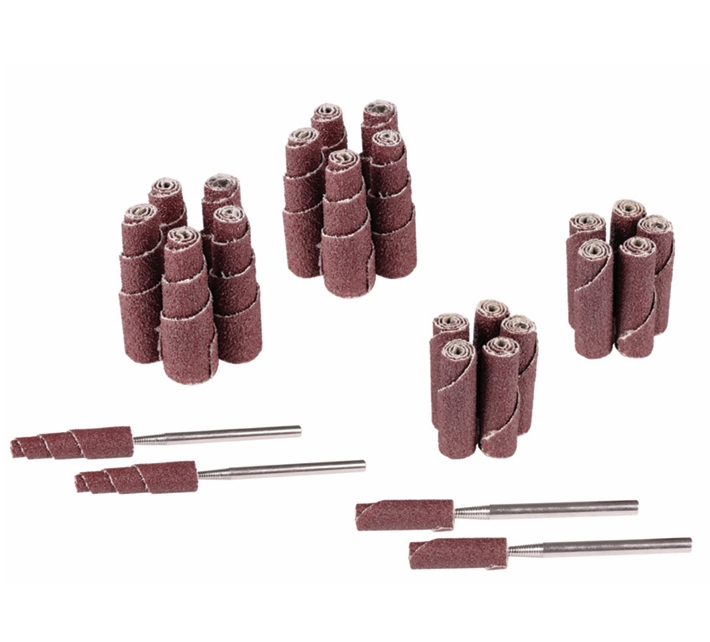
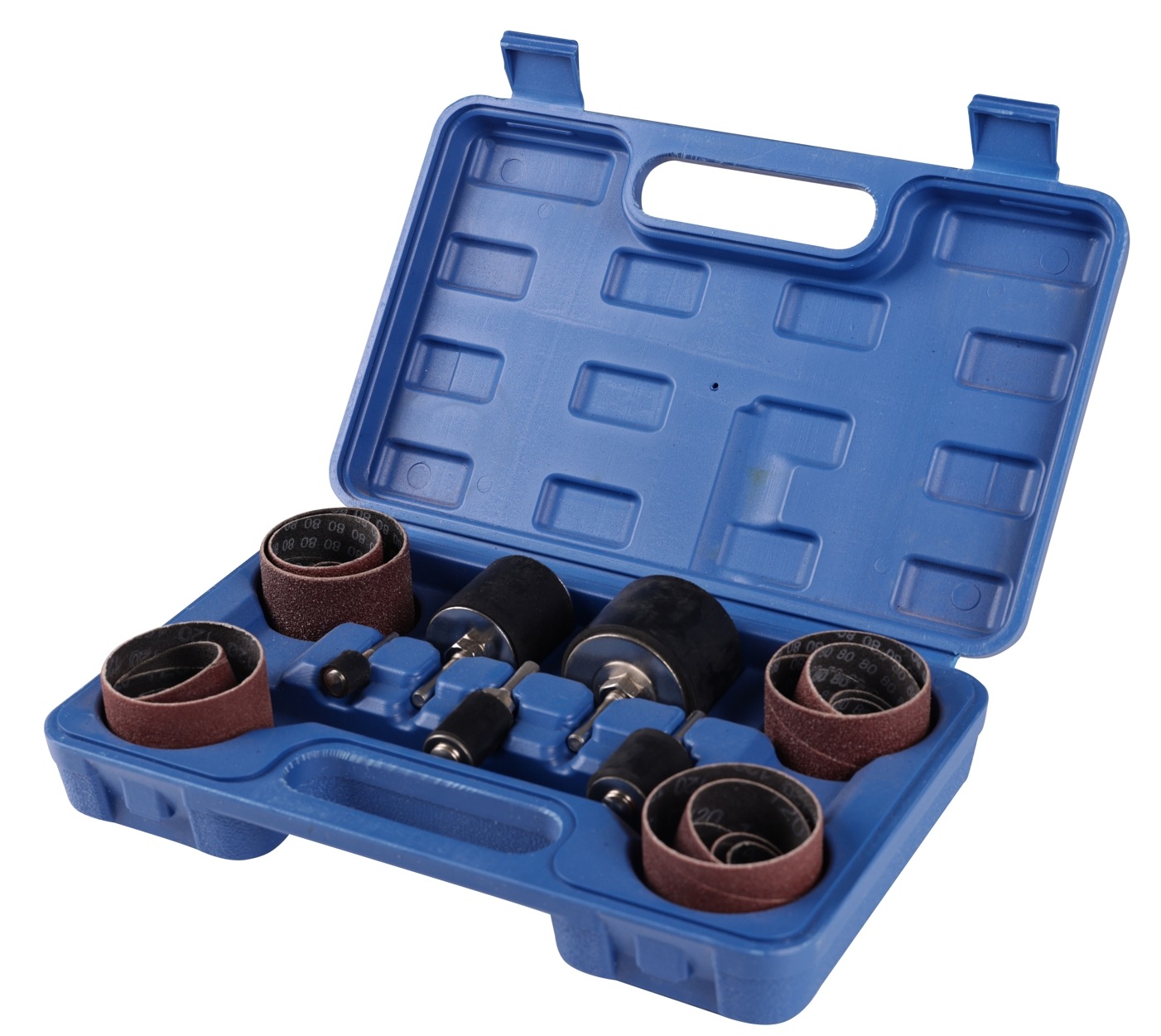
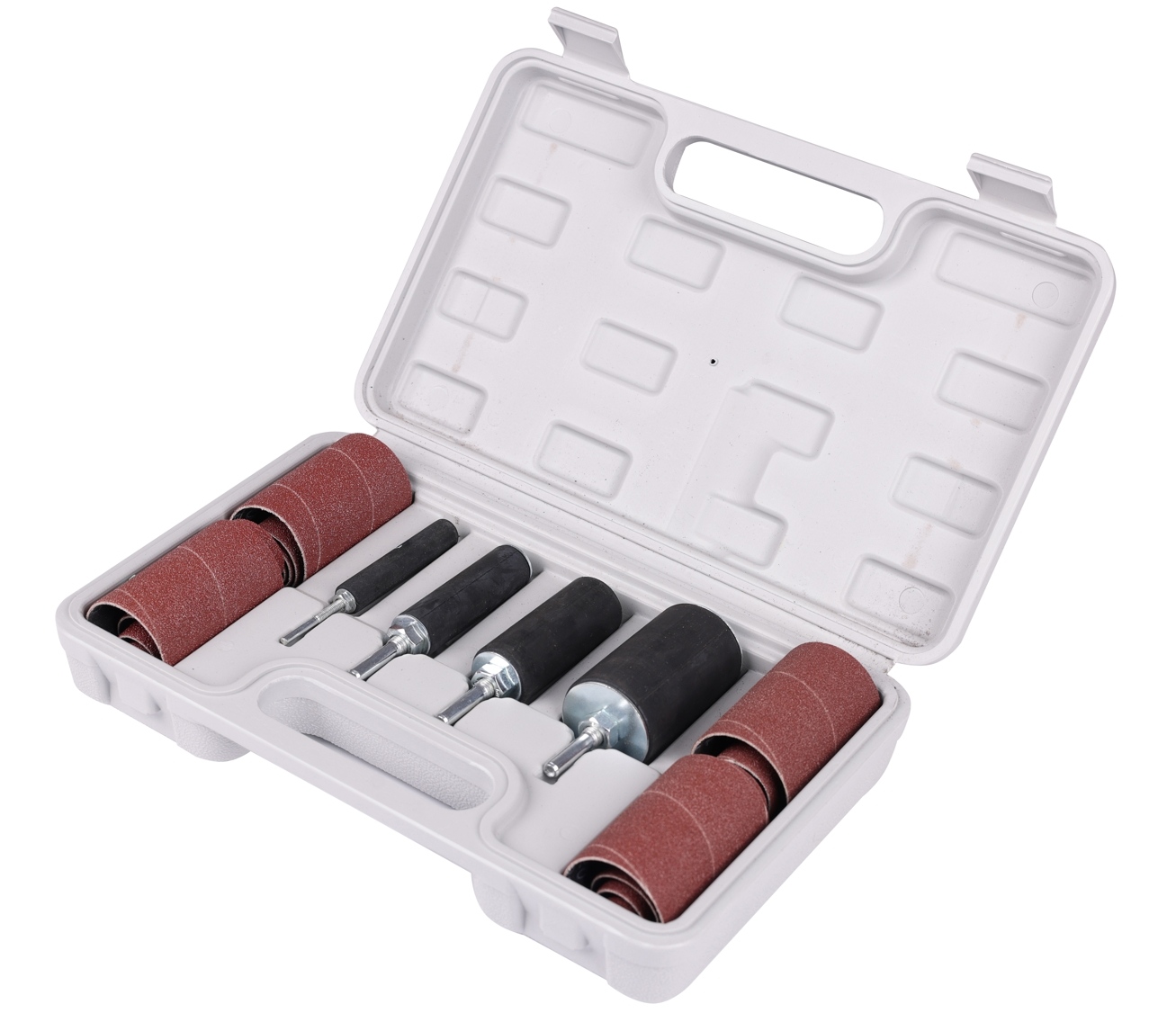
The best type of sandpaper for a given application depends on the material being sanded, the desired surface finish, and the application environment. High-quality sandpaper made with advanced abrasives, such as aluminium oxide, silicon carbide, or ceramic grain, generally provides better cutting efficiency, a longer service life, and more consistent finishing performance than conventional products. According to The Complete Guide to Abrasives, published by the Society of Manufacturing Engineers (SME), and The Wood Handbook: Wood as an Engineering Material (USDA Forest Products Laboratory), the primary factor determining sanding efficiency, surface quality, and tool performance is abrasive selection, including grain type, backing material, and grit size.
For professional applications, there is no single ‘best’ sandpaper for every task. The optimal choice usually involves balancing abrasive durability, cutting speed, surface requirements, and material compatibility.
What Makes Sandpaper the Best on the Market?
Sandpaper, also known as abrasive paper or Schmirgelpapier, is a coated abrasive product consisting of abrasive grains attached to a flexible backing using a resin or adhesive. Although it may appear simple, modern sandpaper is a highly engineered consumable product designed to remove material at controlled rates while achieving a specific surface finish.
The most effective sanding paper is not necessarily the most expensive or the one with the hardest abrasive. Instead, professional users evaluate several technical characteristics:
- Abrasive grain type
- Grit size consistency
- Cutting performance
- Wear resistance
- Loading resistance
- Backing flexibility
- Bonding strength
A woodworking professional, automotive technician, metal fabricator, and industrial manufacturer may all require different ‘best’ sanding papers because their materials and finishing goals are completely different.
For instance, ceramic abrasive paper is ideal for aggressive metal grinding, whereas fine silicon carbide paper is preferred for polishing automotive coatings. Using the wrong abrasive can increase labour time, damage surfaces, or create unnecessary material waste.
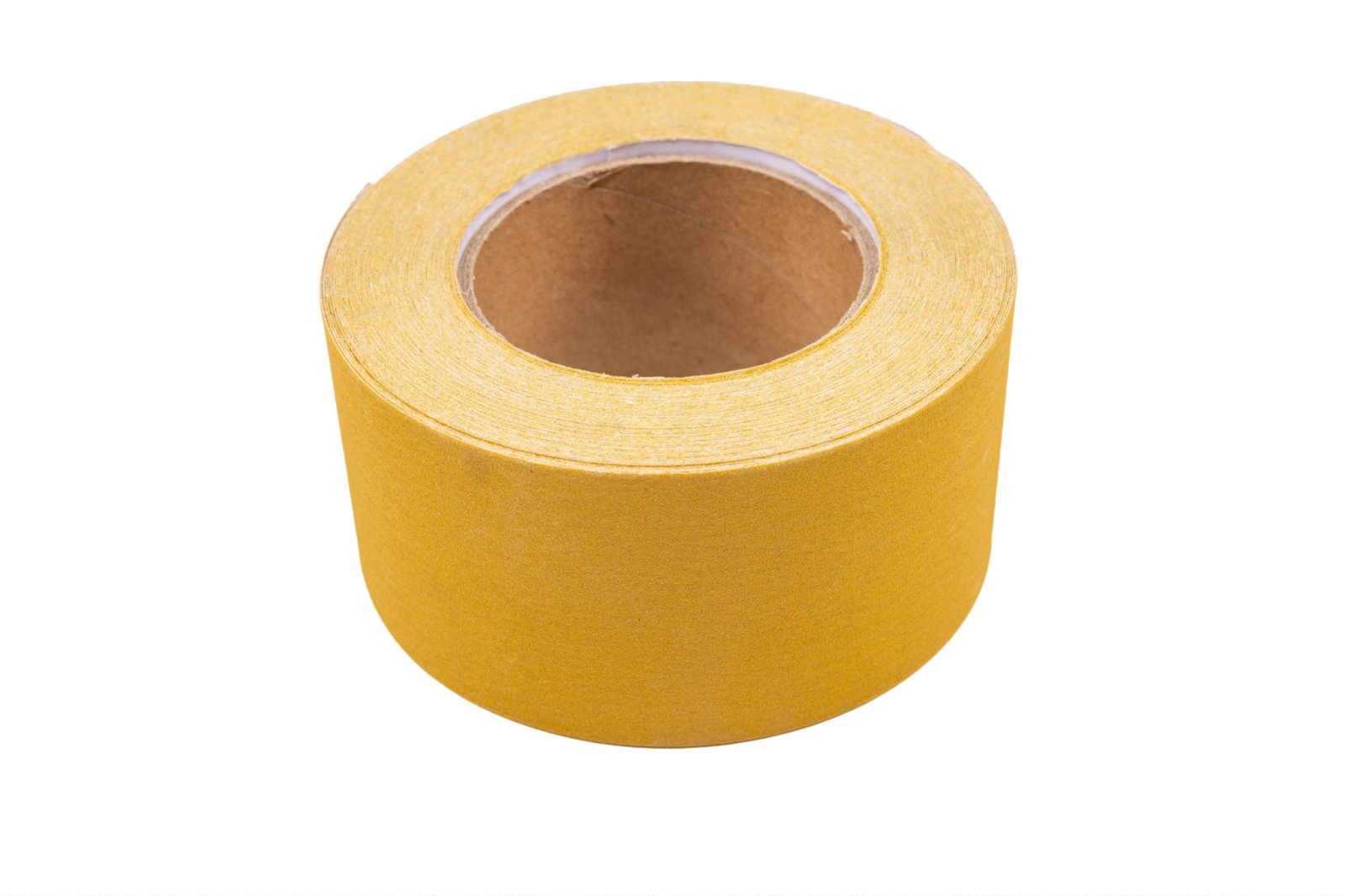
Understanding Different Types of Sanding Paper Abrasives
The abrasive grain is the most important factor affecting sanding performance. Modern sanding papers use several types of abrasive minerals, each designed for specific applications.
-
Aluminum Oxide Sandpaper
Aluminum oxide is one of the most widely used abrasive materials because it offers a good balance between cutting ability, durability, and cost.
It is commonly used for:
- Wood sanding
- Paint preparation
- General metal finishing
- Plastic surface preparation
Aluminum oxide grains fracture during use, exposing fresh, sharp edges. This self-sharpening behavior allows the abrasive to maintain reasonable cutting performance throughout its service life.
For general-purpose applications, high-quality aluminum oxide sanding paper is often considered the most versatile option.
-
Silicon Carbide Sandpaper
Silicon carbide has sharper and harder abrasive particles compared with aluminum oxide. It cuts quickly but is more brittle, making it better suited for applications requiring a smooth finish rather than heavy stock removal.
Typical applications include:
- Automotive paint finishing
- Glass polishing
- Stone finishing
- Wet sanding operations
Because silicon carbide produces a finer scratch pattern, it is commonly used during the final finishing stages.
-
Ceramic Sandpaper
Ceramic abrasive paper represents one of the highest-performance options available today.
Ceramic grains are engineered to fracture gradually during use, continuously exposing new cutting edges. This makes ceramic sanding paper particularly suitable for demanding industrial applications.
Common uses include:
- Stainless steel grinding
- Aerospace components
- Heavy-duty metal fabrication
- High-pressure sanding operations
Although ceramic sanding paper usually costs more, its longer working life and higher material removal rate can reduce total production costs.
-
Garnet Sandpaper
Garnet sanding paper is mainly associated with traditional woodworking applications.
It produces an excellent surface finish because garnet particles wear smoothly rather than aggressively cutting. However, it generally has a shorter lifespan compared with aluminum oxide.
It remains popular among:
- Furniture makers
- Woodworkers
- Fine finishing professionals
Comparison of Major Sanding Paper Types
| Sanding Paper Type | Main Abrasive | Beste Anwendungen | Vorteile | Beschränkungen |
| Aluminium-Oxid | Aluminum oxide grain | Wood, metal, paint | Versatile, durable, affordable | Less aggressive than ceramic |
| Siliziumkarbid | Silicon carbide grain | Automotive, glass, finishing | Excellent smooth finish | Lower durability |
| Keramik | Ceramic grain | Heavy-duty metal work | High cutting speed, long life | Higher cost |
| Granat | Natural garnet mineral | Fine woodworking | Superior finish quality | Wears faster |
How to Choose the Right Sandpaper Grit?
One of the biggest mistakes users make is choosing the wrong grit size. Sandpaper grit determines how aggressively the abrasive removes material.
A lower grit number means larger abrasive particles and faster material removal. A higher grit number means finer particles and smoother finishing.
-
Coarse Grit (40–80)
Used for:
- Removing old coatings
- Shaping rough wood
- Removing rust
- Schwerer Materialabtrag
Coarse sanding creates deeper scratches and normally requires additional finishing steps.
-
Medium Grit (100–180)
This is the most common range for general sanding.
Applications include:
- Smoothing wood surfaces
- Preparing painted surfaces
- Removing machining marks
Many woodworking and manufacturing processes use medium-grit sanding as the transition stage between rough shaping and final finishing.
-
Fine Grit (220–400)
Fine sanding paper is designed for surface refinement.
Typical uses:
- Final wood preparation
- Between-coat paint sanding
- Automotive finishing
-
Extra Fine Grit (600+)
Used where surface appearance is critical.
Applications:
- Automotive polishing
- Clear coat finishing
- Precision surface treatment
What Factors Determine Sandpaper Quality?
Many buyers focus only on grit number, but professional-grade sanding paper performance depends on several combined factors.
-
Abrasive Grain Quality
Higher-quality abrasive grains provide:
- More consistent cutting
- Longer working life
- Better scratch patterns
Cheap sanding paper often uses inconsistent grain distribution, leading to uneven sanding results.
-
Trägermaterial
The backing supports the abrasive layer and determines flexibility.
Common backing types include:
| Trägermaterial | Characteristics | Typische Anwendungen |
| Paper backing | Flexible and economical | Wood finishing, general sanding |
| Cloth backing | Strong and tear-resistant | Metal grinding, industrial use |
| Film backing | Uniform and waterproof | Precision finishing, automotive |
| Fiber backing | Extremely durable | Heavy stock removal |
A flexible backing is useful for curved surfaces, while a rigid backing provides better control on flat surfaces.
-
Resin Bonding Technology
The adhesive system holding abrasive grains to the backing directly affects product life.
Modern premium sanding papers often use:
- Resin-over-resin bonding
- Anti-loading coatings
- Heat-resistant adhesives
These technologies improve durability and prevent premature grain loss.
Is Expensive Sandpaper Actually Better?
The answer depends on the intended use.
For occasional household projects, inexpensive sanding paper may be adequate. However, professional users often benefit from premium sanding paper, as it reduces the frequency of replacement and improves consistency.
For example:
- A low-cost abrasive may remove material quickly initially, but then lose its cutting ability.
- In contrast, a ceramic abrasive can maintain its performance significantly longer under high pressure.
- The real measure of value should be cost per finished surface area, not purchase price alone.
- Higher-quality sanding paper that lasts three times longer can actually reduce production costs.
Best Sanding Paper for Different Applications
There is no universal winner when choosing the best sanding paper because every material reacts differently to abrasive cutting. The ideal product depends on whether the goal is rapid material removal, surface preparation, smoothing, polishing, or achieving a specific appearance.
-
Best Sandpaper for Woodworking
For woodworking, aluminum oxide sanding paper is generally considered the best all-around choice because it provides a strong balance between cutting performance, durability, and price. It works well on hardwood, softwood, plywood, and engineered wood products.
A typical woodworking sanding process uses multiple grit stages:
- 60–80 grit for shaping and removing rough surfaces
- 120–180 grit for smoothing
- 220–320 grit for final preparation before coating
For high-end furniture and decorative wood products, some craftsmen still prefer garnet sanding paper because it creates a softer scratch pattern and excellent finishing quality.
However, modern aluminum oxide products have become dominant in professional woodworking because improved grain technology provides longer life and more consistent results.
Best Sandpaper for Automotive Applications
Automotive refinishing requires sanding paper with excellent scratch control, durability, and resistance to clogging.
For vehicle repair and paint preparation, professionals often choose:
- Silicon carbide wet sanding paper
- Ceramic abrasive paper
- Premium aluminum oxide film-backed sanding paper
Silicon carbide is especially popular for final paint finishing because its sharp abrasive particles create a uniform surface pattern. It is commonly used for:
- Clear coat leveling
- Primer preparation
- Paint defect correction
- Vorbereitung zum Polieren
For aggressive removal tasks such as removing corrosion or old coatings, ceramic sanding paper provides faster cutting performance and longer service life.
Best Sandpaper for Metalworking
Metal applications place greater demands on abrasive durability because metals generate more heat and require greater cutting forces.
Ceramic and zirconia-alumina abrasives are often preferred for stainless steel, carbon steel, aluminium, and industrial components.
The best metal sanding paper should provide the following:
- High heat resistance
- Strong grain retention
- Fast stock removal
- Reduced loading
In industrial manufacturing environments, the abrasive must maintain performance under continuous pressure. Low-quality sanding paper can quickly become ineffective, increasing labour costs and reducing production efficiency.
Best Sandpaper for Plastic and Composite Materials
Careful abrasive selection is required for plastic surfaces because excessive heat can cause the material to soften or deform.
Recommended options include:
- Fine aluminium oxide sanding paper
- Silicon carbide wet sanding paper
- Film-backed abrasive sheets
For plastics, operators usually choose higher grits because aggressive abrasives can leave visible scratches that are difficult to remove.
Common applications include:
- Plastic component finishing
- Fiberglass repair
- Composite surface preparation
- Mold polishing
Recommended Sanding Paper Selection by Application
| Anmeldung | Empfohlenes Schleifmittel | Common Grit Range | Key Reason |
| Wood shaping | Aluminiumoxid | 40–120 | Fast cutting and durability |
| Fine furniture finishing | Garnet/aluminum oxide | 180–320 | Smooth surface preparation |
| Automotive paint | Siliziumkarbid | 400–2000+ | Uniform finishing scratches |
| Stainless steel | Ceramic / zirconia alumina | 60–240 | High cutting efficiency |
| Plastic finishing | Silicon carbide / fine aluminum oxide | 320–800 | Prevents surface damage |
| Industrial grinding | Ceramic abrasive | 36–120 | Long life under heavy pressure |
How Professional Manufacturers Evaluate Sanding Paper?
Industrial buyers usually evaluate sanding paper differently from casual users. Instead of asking only “Is this product cheap?”, they consider several performance indicators.
-
Material Removal Rate
Material removal rate measures how quickly an abrasive removes material.
A high-quality sanding paper maintains aggressive cutting performance throughout its usable life.
This is especially important in:
- Metal fabrication
- Automotive production
- Möbelherstellung
- Composite processing
-
Abrasive Life
Abrasive life refers to how long the sanding paper remains effective before replacement.
Premium sanding paper usually achieves longer service life because:
- Abrasive grains are more uniform
- Bonding strength is higher
- Heat resistance is improved
- Loading is reduced
For production environments, longer abrasive life directly reduces downtime.
-
Surface Finish Quality
Abrasive performance is not only about removing material. The final surface condition is equally important.
A high-quality sanding paper should produce:
- Consistent scratch patterns
- Minimal deep scratches
- Reduced polishing workload
- Better coating adhesion
This is why professional users often combine different abrasive types and grit stages rather than relying on one product.
Common Mistakes When Choosing Sandpaper
Many sanding problems are caused not by poor technique but by selecting the wrong abrasive.
-
Choosing Only Based on Price
The cheapest sanding paper may appear economical, but frequent replacement can increase total costs.
A professional-grade abrasive often provides:
- Faster completion
- Less downtime
- More consistent results
-
Using the Wrong Grit Size
Using overly coarse sanding paper can damage the surface and create unnecessary finishing work.
For example:
- Using 40 grit on a finished wooden surface may create deep scratches.
- Using 600 grit for heavy rust removal will waste time.
The correct approach is usually to start with the minimum aggressiveness required and gradually move toward finer grits.
-
Ignoring Material Differences
Different materials require different abrasive characteristics.
Wood, metal, plastic, and coatings have different hardness, heat sensitivity, and surface requirements.
A sanding paper designed for stainless steel may perform poorly on soft wood, while a woodworking abrasive may quickly fail on hardened metal.
How to Maintain Sanding Efficiency?
Even the best sanding paper performs poorly if used incorrectly.
Professional practices include:
-
Use Appropriate Pressure
Excessive pressure does not always increase cutting speed. It can generate heat, damage abrasive grains, and shorten product life.
-
Keep the Surface Clean
Dust accumulation can cause loading, especially when sanding:
- Paint
- Softwood
- Kunststoffe
Dust extraction systems improve both sanding efficiency and surface quality.
-
Match Speed to Abrasive Type
Power sanding tools generate heat quickly. Using the correct speed prevents premature abrasive failure.
What Is the Future of Sanding Paper Technology?
The sanding industry continues to develop products focused on higher efficiency and sustainability.
Current trends include:
-
Advanced Ceramic Abrasives
Ceramic grain technology continues to expand because it provides:
- Higher cutting efficiency
- Längere Lebenserwartung
- Lower labor costs
These products are increasingly used in automotive and industrial manufacturing.
-
Improved Anti-Loading Technology
Manufacturers are developing coatings that reduce dust accumulation and improve abrasive life.
This is particularly valuable when sanding:
- Paint coatings
- Soft materials
- Composite products
-
Sustainable Abrasive Products
Environmental considerations are influencing abrasive manufacturing.
Future developments include:
- Reduced material waste
- Longer-lasting abrasive products
- More recyclable backing materials
FAQ: Sanding Paper
- What is the best sanding paper on the market?
The best sanding paper depends on the application. Ceramic sanding paper is often considered the highest-performance option for industrial applications, while aluminum oxide remains the most versatile choice for general woodworking and metal finishing.
- Which grit sandpaper should I use for beginners?
For general projects, medium-grit sanding paper, such as 120–180 grit, is usually the best starting point. Coarse grits remove material faster, while fine grits create smoother finishes.
- Is expensive sandpaper worth buying?
Yes, especially for professional work. Premium sanding paper typically provides longer life, better cutting performance, and more consistent surface quality, reducing overall project costs.
- What is the difference between aluminum oxide and silicon carbide sandpaper?
Aluminum oxide is tougher and more durable, making it suitable for general-purpose sanding. Silicon carbide is sharper and produces finer finishes, making it popular for automotive and precision applications.
- Can the same sanding paper be used for wood and metal?
Some general-purpose sanding papers can handle both materials, but specialized abrasives usually perform better. Metal requires harder and more heat-resistant abrasive grains than most woodworking applications.
- How long does sanding paper last?
The lifespan depends on abrasive quality, material hardness, pressure, sanding speed, and surface conditions. Premium sanding paper can last several times longer than basic products under the same working conditions.
Conclusion: Choosing the Best Sanding Paper
The answer to the question, ‘What is the best sandpaper on the market?’, depends on what you need the sandpaper for. No single product dominates every application because abrasive performance is determined by the interaction between grain type, grit size, backing material, bonding technology, and the material being processed.
For general use, aluminium oxide sanding paper is one of the most practical choices as it is durable, versatile, and affordable. For high-performance industrial applications, however, ceramic abrasives provide superior cutting ability and a longer service life. Silicon carbide is the preferred option for smooth finishes and precise surface control rather than aggressive material removal.
The most effective sanding strategy is not simply to buy the hardest abrasive available. Instead, professionals select sanding paper that matches the specific production requirement. Using the correct abrasive can improve surface quality, reduce processing time, lower material waste, and increase overall efficiency.
As abrasive technology advances, modern sandpaper is evolving into something more than just a consumable. It is an engineered surface-processing tool designed to deliver consistent results in woodworking, the automotive industry, metal fabrication, construction, and industrial manufacturing.