
Selecting the right sanding tool is essential for achieving high-quality finishes in woodworking, metalworking, and other projects. Both nylon sanding belts and traditional sandpaper are common choices, but they differ in composition, durability, and performance. Understanding these differences can help you save time, improve results, and avoid unnecessary material waste. This article explores the advantages, drawbacks, and best use cases for both tools, helping you make an informed choice for your projects.
Sanding tools are not just about removing material—they also influence the smoothness, precision, and overall appearance of your work. Choosing the wrong tool can lead to uneven surfaces, faster wear, and even damage to delicate materials. Whether you are a DIY enthusiast, a professional craftsman, or someone in the industrial sector, knowing when to use a nylon sanding belt versus traditional sandpaper is a key part of efficient workflow and superior results.
Moreover, considering the environment and workspace conditions is also crucial. For example, working in dusty environments or with heat-sensitive materials may affect your choice, since some tools handle debris or temperature changes better than others. Users should also factor in the ease of cleaning, disposal, and compatibility with the sanding equipment available in their workshop.
What Is a Nylon Sanding Belt?
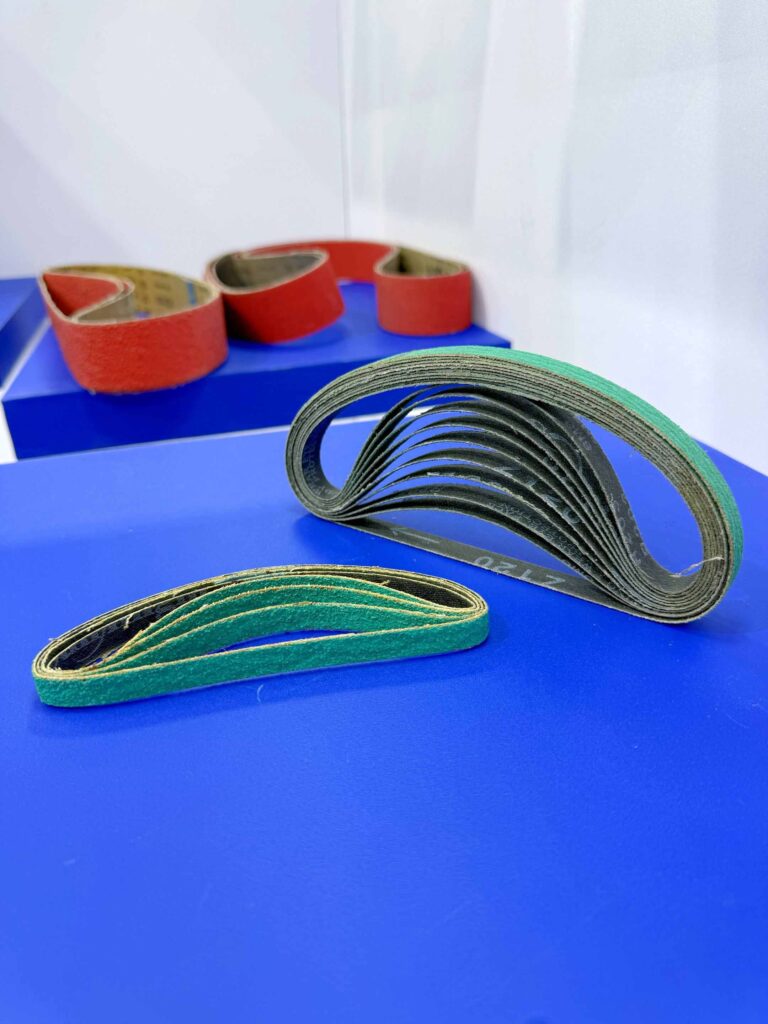
Nylon sanding belts are constructed from a strong nylon fabric backing coated with abrasive grains, typically aluminum oxide or silicon carbide. This design provides a combination of flexibility and durability, making it suitable for machine sanding. Unlike traditional sandpaper sheets, nylon belts are looped and intended for continuous use on belt sanders, ensuring consistent contact with the work surface.
Key features of nylon sanding belts:
-
Durable and long-lasting, even under heavy use
-
Flexible enough to conform to slight curves or irregular surfaces
-
Resistant to heat buildup, reducing the risk of material damage
These belts are commonly used in industrial and professional settings where repetitive sanding is required. They are particularly effective on wood, metal, and composite materials. Their durability makes them a cost-effective option over time, especially when used with high-speed machines that would wear out traditional sandpaper quickly.
In addition to standard applications, nylon sanding belts are often favored for finishing surfaces that require uniform texture without deep grooves or scratches. They can handle high-volume sanding jobs, such as shaping furniture components, deburring metal parts, or smoothing edges on composite panels. Their consistent performance reduces the risk of uneven sanding marks, which is particularly valuable for surfaces that will be painted or coated afterward.
What Is Traditional Sandpaper?
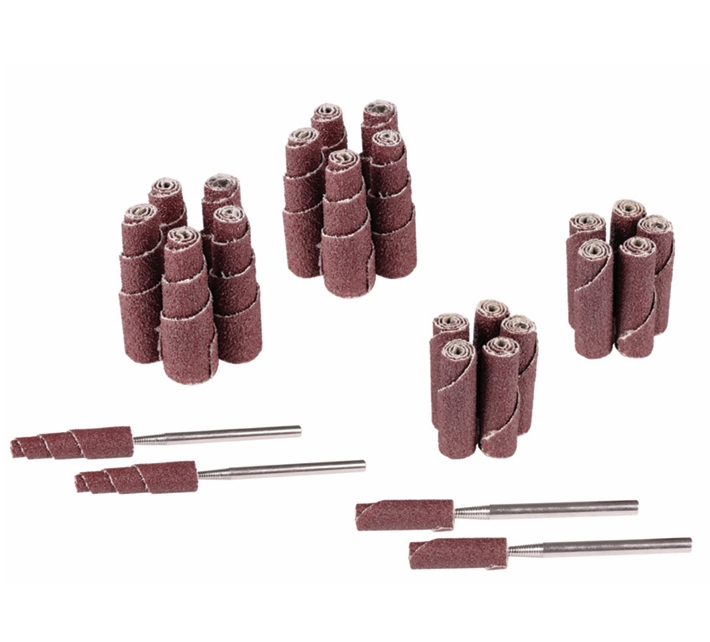
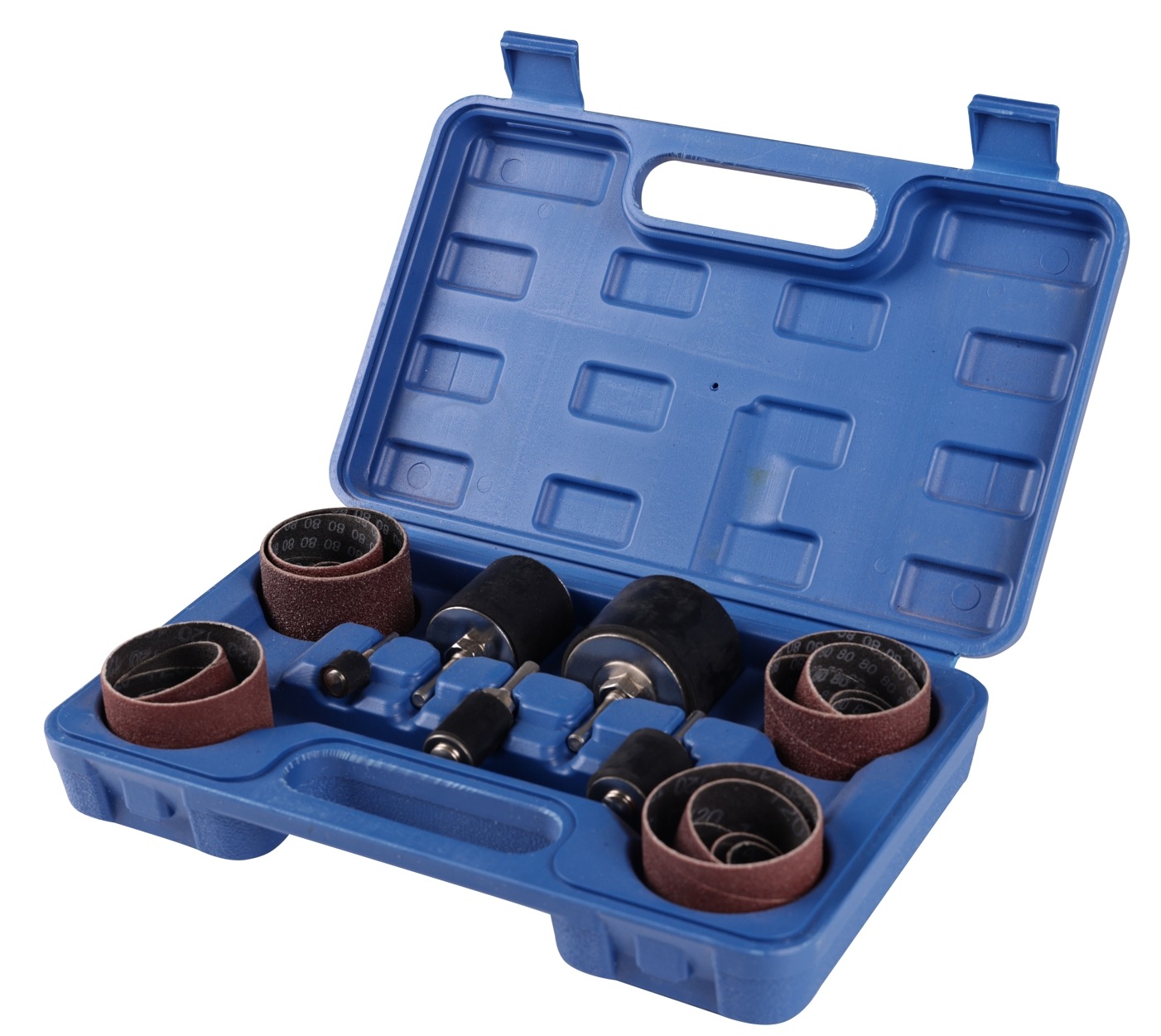
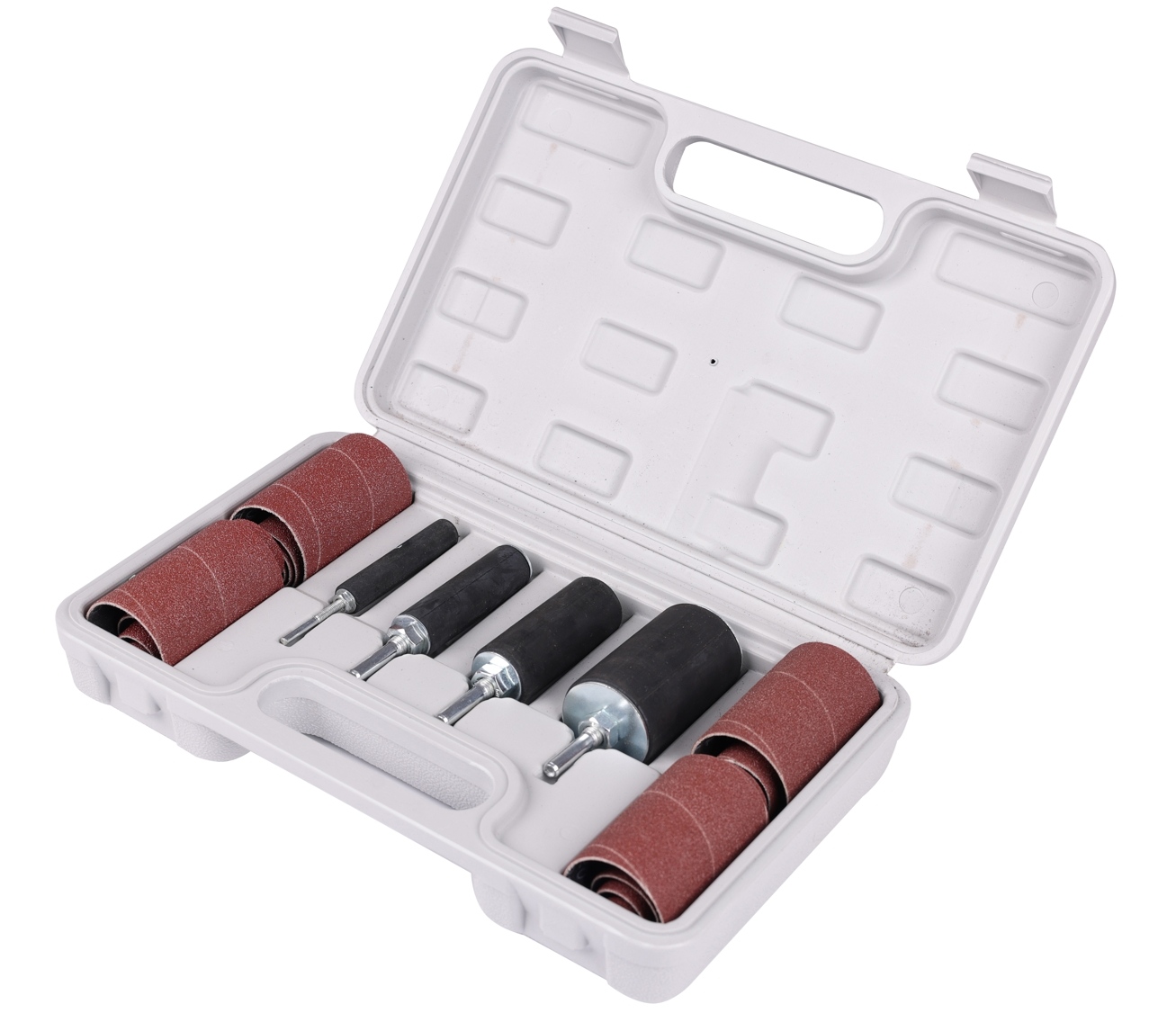
Traditional sandpaper consists of a paper or cloth backing coated with abrasive grains. Available in a wide range of grit sizes, sandpaper is versatile and easy to use for both hand sanding and power tools. Common abrasive materials include aluminum oxide, silicon carbide, and garnet, each suited for specific applications.
Advantages of traditional sandpaper:
-
Widely available and affordable
-
Easy to cut and shape for custom projects
-
Suitable for hand sanding or small-scale tasks
Traditional sandpaper is ideal for detailed finishing work, delicate surfaces, or projects that require precise control. While it may not last as long as a nylon sanding belt under heavy use, it remains an essential tool for fine-tuning surfaces and achieving smooth finishes.
Hand sanding with traditional sandpaper allows users to feel the surface more directly, which is crucial for delicate woodworking or finishing tasks. For instance, removing minor imperfections from fine furniture, smoothing edges on soft metals, or achieving a subtle texture on painted surfaces often requires the tactile control that traditional sandpaper provides. Additionally, sandpaper can be used in conjunction with sanding blocks or sponges to maintain flatness or follow contours more accurately than a machine belt might allow.
Key Differences Between Nylon Sanding Belts and Traditional Sandpaper
The main differences between nylon sanding belts and traditional sandpaper can be broken down into durability, material compatibility, efficiency, and cost. Nylon belts excel in machine sanding applications where durability and continuous operation are crucial. Traditional sandpaper, on the other hand, is better suited for hand sanding, small projects, and areas requiring precision.
| Feature | Nylon Sanding Belt | Traditional Sandpaper |
|---|---|---|
| Durability | High | Moderate |
| Flexibility | Medium-High | Low |
| Best Use | Industrial, long-term projects | Small, DIY, hand sanding |
| Speed | Faster on machines | Slower, more labor-intensive |
| Cost | Moderate | Low |
| Surface Finish | Uniform for high-volume sanding | Fine-tuned control for detail work |
Key takeaways:
-
Nylon belts offer higher durability and efficiency for repetitive machine sanding
-
Traditional sandpaper provides greater control for fine detail work
-
Cost and accessibility favor sandpaper for small or DIY projects
It’s also worth noting that nylon belts tend to maintain their grit structure better under heat and pressure, while sandpaper can clog or wear unevenly if not replaced regularly. Depending on the project, users may even combine both: using a nylon belt for bulk material removal and sandpaper for finishing touches.
Pros and Cons of Each Option
Understanding the pros and cons of each tool helps in deciding which one to use for a particular task.
Nylon Sanding Belt
Pros:
-
Long-lasting and durable
-
Efficient for large-scale or repetitive sanding
-
Resistant to heat and clogging
Cons:
-
Requires a belt sander for optimal performance
-
Higher upfront cost than traditional sandpaper
-
Less suitable for detailed hand sanding
Traditional Sandpaper
Pros:
-
Inexpensive and widely available
-
Works well for detailed, hand-sanding tasks
-
Easy to replace and customize
Cons:
-
Wears out faster under heavy use
-
Less suitable for high-speed machine sanding
-
Can tear or clog if not used properly
Many users find that combining the two types of abrasives in a workflow often produces the best results. For example, starting with a nylon belt to remove excess material and then switching to fine-grit sandpaper ensures both efficiency and a flawless finish.
How to Decide Which One to Use
Choosing between a nylon sanding belt and traditional sandpaper depends on several factors, including project size, material, available tools, and desired finish. For large projects requiring extensive sanding on wood, metal, or composite surfaces, nylon belts paired with a belt sander provide efficiency and durability. For small, precise work or DIY projects, traditional sandpaper offers better control and flexibility.
Considerations for making the right choice:
-
Project size and material type
-
Available sanding tools (hand vs. machine)
-
Required smoothness and finish quality
-
Budget and frequency of use
-
Environmental factors, such as dust or heat
Evaluating these aspects allows users to tailor their approach and select the most appropriate sanding tool. Experienced craftsmen often keep both on hand, using each for tasks where it performs best, which minimizes mistakes and maximizes overall efficiency.
Tips for Maximizing the Life of Your Sanding Tools
Proper maintenance can extend the lifespan of both nylon sanding belts and traditional sandpaper. For nylon belts, keeping them clean, storing them flat, and avoiding excessive heat buildup during use prevents premature wear. Traditional sandpaper should be kept dry and replaced once worn or clogged to maintain effective abrasion.
Best practices:
-
Keep sanding belts and sheets free from dust and moisture
-
Clean belts frequently to prevent clogging
-
Rotate or alternate belts and sheets to ensure even wear
-
Use recommended speeds and pressure for machines
-
Store in a cool, dry area to prevent degradation
Following these practices ensures consistent performance, prolongs tool life, and maintains the quality of your finished projects. Additionally, regular inspection for frayed edges or uneven wear can prevent damage to the workpiece and reduce downtime.
Both nylon sanding belts and traditional sandpaper have their place in a workshop. Nylon belts excel in machine sanding and repetitive, large-scale applications due to their durability and efficiency. Traditional sandpaper remains valuable for hand sanding, small projects, and detailed finishing work. By understanding their strengths and limitations, you can choose the right tool for each task, achieving superior results while optimizing time, cost, and effort.
Whether you are a DIY enthusiast, a professional craftsman, or an industrial operator, making an informed choice between nylon sanding belts and traditional sandpaper ensures smoother surfaces, higher productivity, and longer-lasting tools. Combining both types in your workflow often provides the most efficient and high-quality results, making your projects faster, safer, and more precise.