
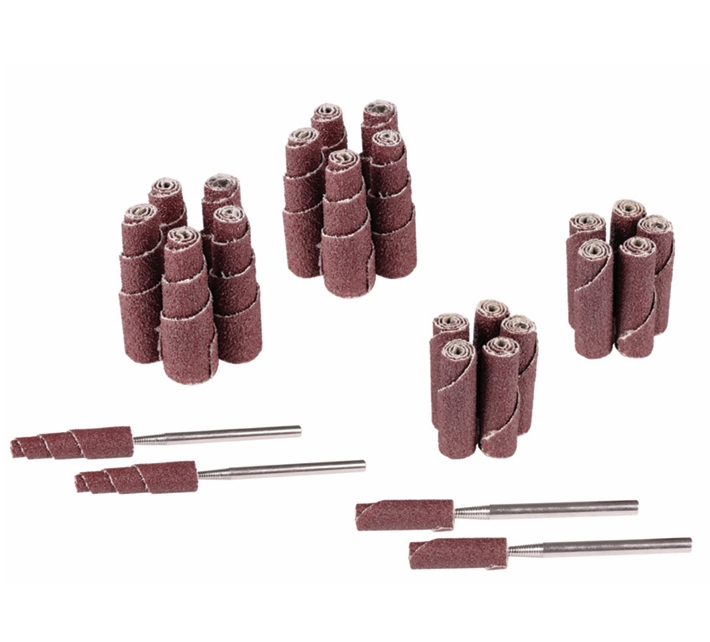
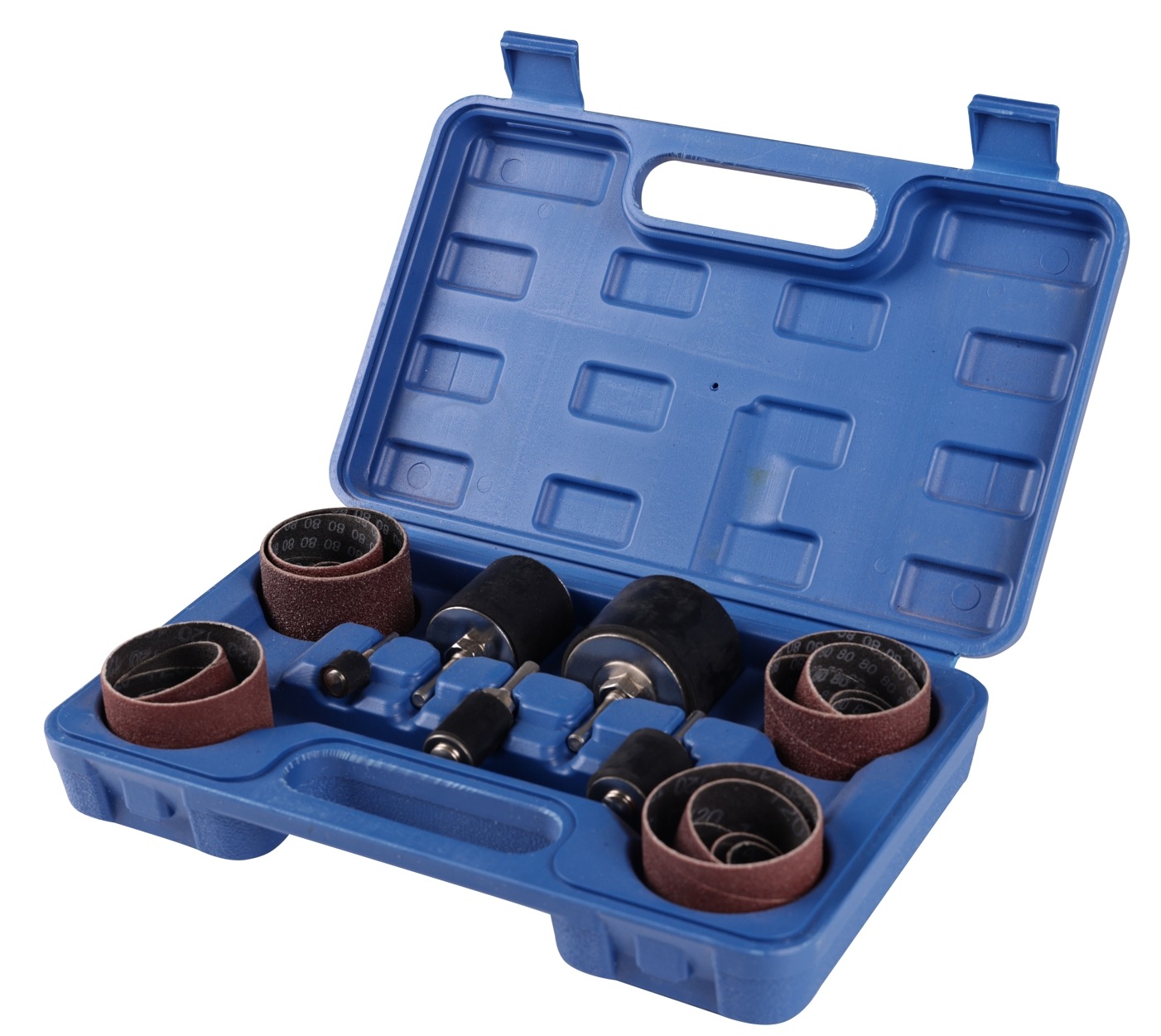
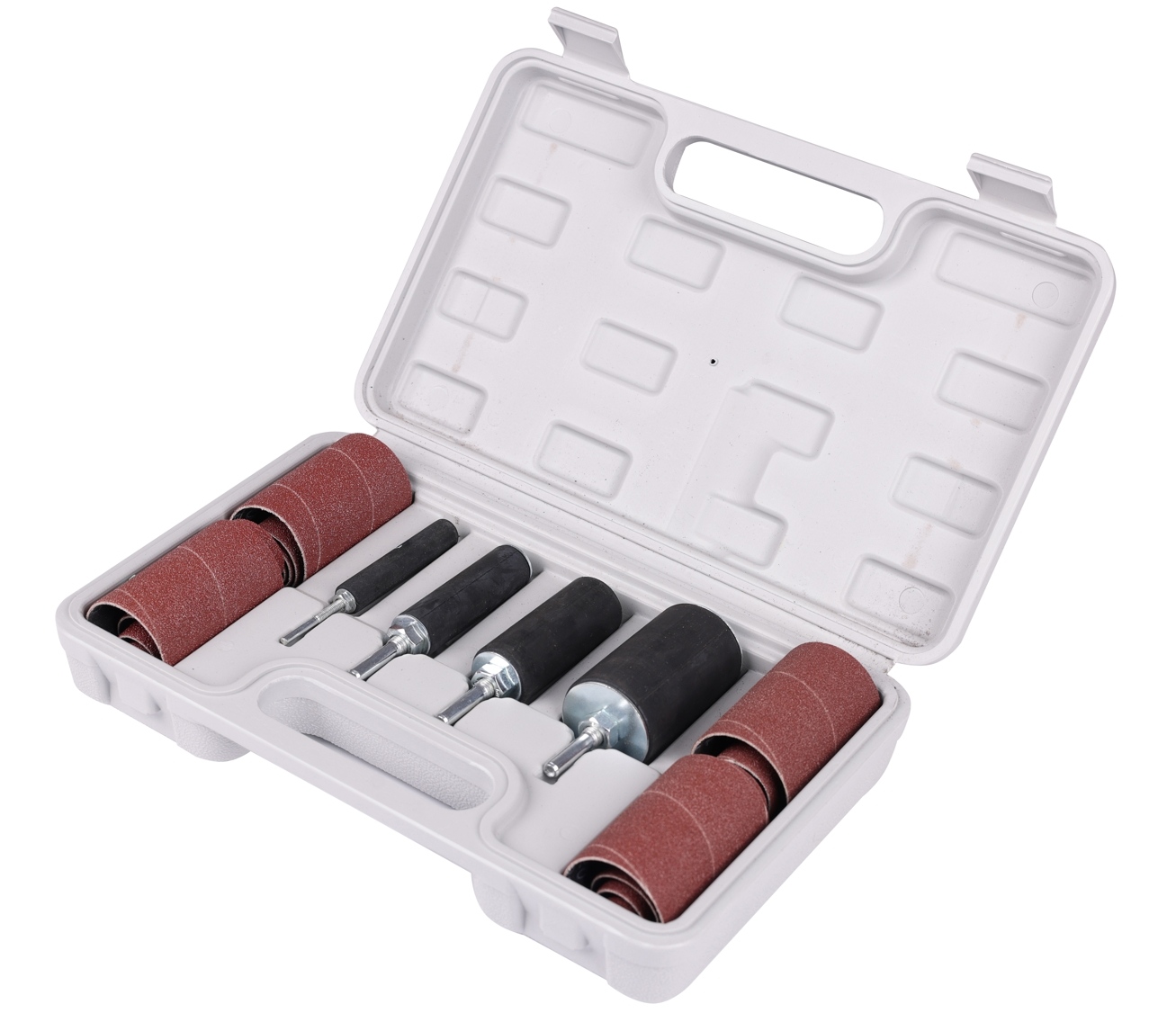
If you’ve ever worked with metal, wood, or general surface finishing, chances are you’ve already used an aluminum oxide disc—even if you didn’t realize it at the time. Among the many abrasive options available today, aluminum oxide discs remain one of the most common and widely trusted choices across industries.
But why is that? What makes aluminum oxide discs so popular compared to other abrasive materials? And more importantly, are they the right choice for your specific grinding or sanding needs?
What Is an Aluminum Oxide Disc?
What Is Aluminum Oxide as an Abrasive Material?
Aluminum oxide is a synthetic abrasive known for its balanced combination of hardness, toughness, and durability. Unlike some ultra-hard abrasives that fracture too aggressively, aluminum oxide wears in a more controlled way, creating new cutting edges as it breaks down.
This behavior—often called self-renewing or self-sharpening—makes aluminum oxide especially suitable for general-purpose grinding and sanding. It removes material efficiently without being overly aggressive, which helps maintain control and surface consistency.
That balance is the main reason aluminum oxide is used across such a wide range of applications, from heavy metal fabrication to fine wood finishing.
How Is an Aluminum Oxide Disc Manufactured?
An aluminum oxide disc is made by bonding abrasive grains onto a backing material using resin or adhesive systems. The performance of the disc depends not only on the abrasive grain itself, but also on how it is applied.
Key manufacturing variables include:
-
Grain size and distribution
-
Coating type (open coat or closed coat)
-
Backing material strength and flexibility
These factors determine how the disc cuts, how long it lasts, and how well it handles heat and pressure during use.
Why Is Aluminum Oxide Disc So Widely Used?
What Makes the Aluminum Oxide Disc Versatile?
One of the biggest reasons aluminum oxide discs are so widely used is their versatility. They perform well on a broad range of materials and do not require highly specialized operating conditions.
Whether you are removing rust from steel, smoothing weld seams, or preparing wood for finishing, aluminum oxide discs offer predictable and controllable results. They are forgiving for less experienced operators while still being effective enough for professional use.
This versatility reduces the need to switch between multiple abrasive types, which simplifies inventory and tool management.
Cost Efficiency and Performance Balance
Another key reason aluminum oxide discs dominate the market is their cost-to-performance ratio. While premium abrasives like ceramic or zirconia may last longer in extreme conditions, aluminum oxide often delivers the best overall value for everyday tasks.
For many applications, the slightly shorter lifespan is offset by lower upfront cost and consistent cutting behavior. This makes aluminum oxide discs especially attractive for workshops, factories, and maintenance teams that prioritize reliability and cost control over maximum cutting speed.
What Materials Can Be Sanded or Ground with Aluminum Oxide Discs?
Metal Applications
Aluminum oxide discs are commonly used on a wide variety of metals, including carbon steel, mild steel, and certain stainless steel grades. Typical tasks include surface cleaning, weld blending, edge deburring, and general preparation work.
Because aluminum oxide does not overheat the workpiece easily, it helps reduce the risk of discoloration or surface damage—an important factor in visible or precision components.
Wood and Composite Materials
In woodworking, aluminum oxide discs are valued for their steady cutting action and ability to produce smooth, even finishes. They work well on hardwoods, softwoods, plywood, and engineered boards such as MDF.
The controlled abrasion makes them suitable for both material removal and surface refinement before painting, staining, or coating.
Plastic and Non-Metal Materials
Aluminum oxide discs can also be used on many plastics and non-metal materials. Their moderate cutting aggressiveness allows operators to remove material without melting or excessive heat buildup, which is a common issue with harder abrasives.
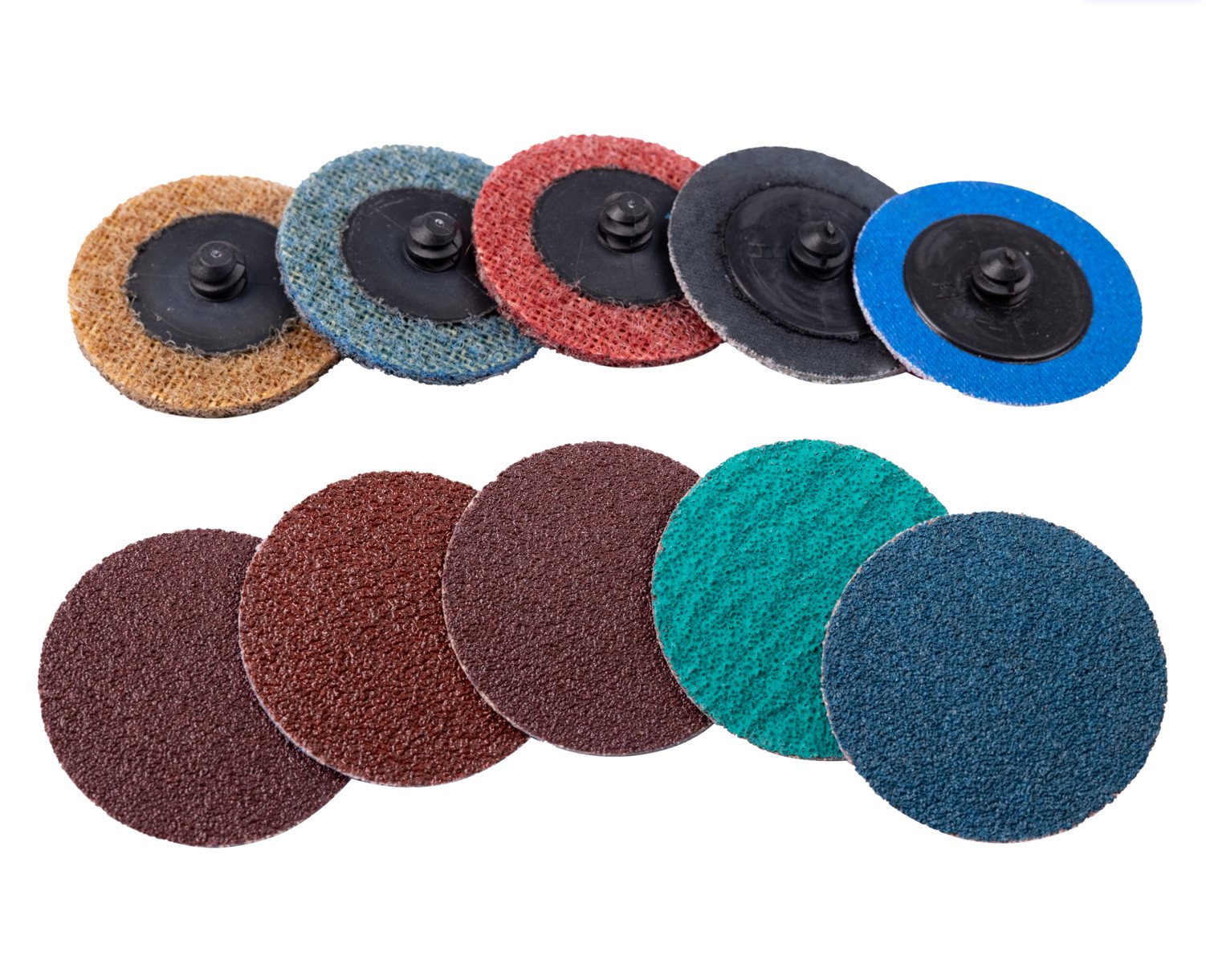
Common Applications of Aluminum Oxide Discs
Grinding, Sanding, and Finishing Tasks
Aluminum oxide discs are used throughout the entire surface preparation process, from rough material removal to fine finishing. Coarse grits are typically used for shaping and grinding, while finer grits are used for smoothing and surface preparation.
This wide grit range allows a single abrasive material to support multiple stages of work.
Industrial vs DIY Usage
In industrial environments, aluminum oxide discs are often used for daily, repetitive tasks where consistency matters more than extreme cutting speed. In DIY and small workshop settings, they are popular because they are easy to use and widely compatible with common power tools.
This dual suitability is rare and further explains their widespread adoption.
How to Choose the Right Aluminum Oxide Disc
Understanding Grit Size and Disc Diameter
Choosing the correct grit size is essential. Coarse grits remove material quickly but leave deeper scratches, while finer grits produce smoother surfaces with less material removal.
Disc diameter should always match the tool being used. Larger discs cover more surface area, while smaller discs offer better control in tight spaces.
Backing Types and Attachment Systems
Backing material affects both durability and flexibility. Paper-backed discs are lightweight and economical, while cloth or fiber-backed discs offer higher strength for heavier applications.
Attachment systems such as hook-and-loop (Velcro-style) allow quick disc changes, while adhesive-backed discs provide a more secure bond for aggressive sanding.
Aluminum Oxide Disc vs Other Abrasive Discs
Aluminum Oxide vs Zirconia Alumina
Zirconia discs are more aggressive and last longer under high pressure, especially on hard metals. However, they are also more expensive and less forgiving at low pressure.
Aluminum oxide discs perform better in light to medium-duty applications where control and cost efficiency are more important than raw cutting power.
Aluminum Oxide vs Ceramic Abrasives
Ceramic abrasives offer exceptional performance and lifespan, but they are designed for demanding industrial use and come at a higher cost.
For most general-purpose tasks, aluminum oxide provides sufficient performance without unnecessary expense, making it the more practical choice for many users.
Common Mistakes When Using Aluminum Oxide Discs
Choosing the Wrong Grit or Disc Type
Using a grit that is too coarse can damage the surface, while a grit that is too fine may waste time and reduce efficiency. Selecting the wrong backing can also lead to premature disc failure.
Understanding the task before choosing the disc is key.
Improper Speed and Pressure
Excessive pressure does not improve performance—it shortens disc life and increases heat buildup. Aluminum oxide discs perform best with steady, moderate pressure and appropriate tool speed.
How to Extend the Service Life of Aluminum Oxide Discs
- Proper Usage Techniques
Let the abrasive do the work. Maintaining consistent contact and avoiding excessive force helps the disc wear evenly and last longer. - Storage and Handling Tips
Storing discs in a dry, flat environment prevents warping and adhesive degradation. Proper handling ensures consistent performance from the first use to the last.
Who Should Choose Aluminum Oxide Discs?
Ideal Users and Industries
Aluminum oxide discs are ideal for metal fabrication shops, woodworking facilities, maintenance teams, and general manufacturing operations that need dependable, all-purpose abrasives.
When Aluminum Oxide Is the Best Choice
If your work involves varied materials, moderate workloads, and a focus on consistent results rather than maximum aggression, aluminum oxide discs are often the smartest and most economical choice.
An aluminum oxide disc is widely used not because it is the most aggressive or the most advanced abrasive, but because it offers the best balance of performance, versatility, and cost for real-world applications.
From metal grinding and wood sanding to general surface preparation, aluminum oxide discs continue to be a reliable solution for professionals and everyday users alike. Understanding their strengths—and their limits—helps ensure better results, longer tool life, and smarter purchasing decisions.