
Abrasives are the key to modern manufacturing, metalworking, and surface finishing. Of all the abrasive materials available, Zirconia Alumina has built a reputation for durability, aggressive cutting performance,e and long service life. It is used in those applications where conventional Aluminum Oxide Abrasives wear too quickly or lose cutting efficiency under high pressure-demanding situations.
However, choosing zirconia alumina abrasives is not as easy as just ticking off a box next to the material name. Grain composition, bonding system, backing material, applied pressure, and type of workpiece all interact to deliver final performance. This guide will help users systematically go through the process of selecting zirconia alumina abrasives for their applications and establish a match between abrasive characteristics and real-world operating conditions.
Understanding Zirconia Alumina Abrasives
What Is Zirconia Alumina
Zirconia alumina is a synthetic abrasive material formed by the fusion of aluminum oxide and zirconium oxide. This combination results in a tough, microcrystalline grain structure, which is much more durable than standard aluminum oxide abrasives.
The primary characteristic of zirconia alumina is its self-sharpening action. The grain fractures are used to develop new sharp points at the cutting edge instead of becoming blunt and glazing the wheel surface.
Why Zirconia Alumina Is Used in Heavy-Duty Applications
Zirconia alumina abrasives are engineered for high-pressure grinding and stock removal applications. They perform best in those applications that require a steady cutting action, together with wear resistance.
Zirconia alumina delivers much longer working life until it completely wears out than conventional abrasives. Fewer changes mean improved productivity.
Key Properties of Zirconia Alumina Abrasives
Toughness and Fracture Behavior
Toughness is one of the most important properties associated with zirconia alumina. Grain structure retains resistance to premature breakdown but allows controlled micro-fracturing.
This, therefore, means a balanced behavior between strength and fracture that sustains cutting performance in an operation considered demanding for grinding.
Heat Resistance and Thermal Stability
Zirconia alumina abrasives are very stable at the high thermal temperatures generated during grinding. In fact, it is this stability that prevents the grains from becoming glazed and maintains a consistent cutting action,
making zirconia alumina suitable for use on hard metals as well as in long grinding cycles.
Cutting Speed and Material Removal Rate
Zirconia alumina exhibits a high material removal rate when applied with the right amount of pressure. It does not cut as fast as some of the new ceramic abrasives, but it offers an excellent cutting speed and life ratio.
For many applications, this results in a lower total abrasive cost per part processed.
Common Forms of Zirconia Alumina Abrasives
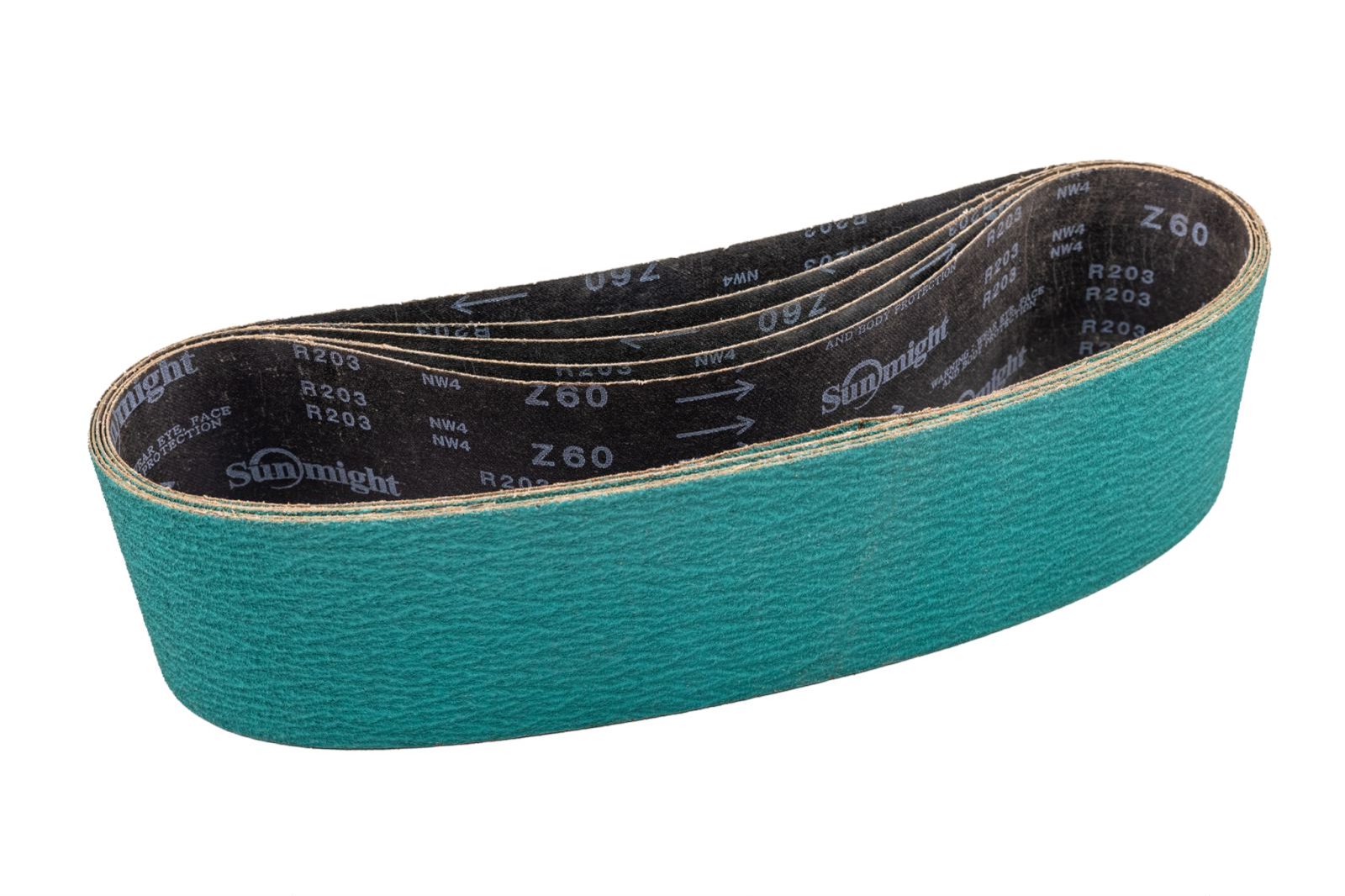
Zirconia Alumina Grinding Belts
Grinding belts made with zirconia alumina are widely used in metal fabrication and woodworking. They are particularly effective in belt grinding machines where consistent pressure can be applied.
These belts perform well in applications such as deburring, weld removal, and surface leveling.
Zirconia Alumina Fiber Discs
Fiber discs are commonly used with angle grinders for aggressive grinding and blending. Zirconia alumina fiber discs are favored for heavy stock removal on steel and stainless steel.
Their durability allows them to withstand high pressure without rapid wear.
Zirconia Alumina Flap Discs
Flap discs combine grinding and finishing in one step. Zirconia alumina flap discs are often used for blending welds, smoothing edges, and surface conditioning.
They provide a balance between material removal and surface finish quality.
Matching Abrasives to Application Requirements
Identifying the Workpiece Material
The type of material being processed is a primary factor in abrasive selection. Zirconia alumina performs best on hard and tough materials such as carbon steel, alloy steel, and stainless steel.
On softer materials, there is simply no need to be that aggressive- the alternative abrasives can also perform equally well at a much more economical price.
Evaluating Surface Finish Requirements
Some applications prioritize rapid material removal, while others require a controlled surface finish. Zirconia alumina is well-suited for rough grinding and intermediate finishing.
Understanding the desired surface quality helps determine grit size and abrasive form.
Selecting the Appropriate Grit Size
Coarse Grits for Heavy Stock Removal
Coarse grit zirconia alumina abrasives are used for rapid material removal, weld grinding, and surface leveling. They generate higher cutting forces and are most effective when sufficient pressure is applied.
These grits are commonly chosen for initial grinding stages.
Medium and Fine Grits for Blending
Medium and fine grits are used for blending, smoothing, and preparing surfaces for further finishing. Zirconia alumina maintains cutting efficiency even in finer grits, making it versatile across multiple process steps.
Choosing the correct grit progression improves both efficiency and surface consistency.
Understanding Backing Materials and Bonding Systems
Backing Types and Their Impact
The backing material supports the abrasive grain and influences flexibility, durability, and heat resistance. Common backing materials include fiber, cloth, and polyester.
Heavier backings provide strength for aggressive grinding, while flexible backings allow better surface conformity.
Resin Bonding for Durability
Zirconia alumina abrasives typically use resin bonding systems designed to withstand high temperatures and stress. Resin bonds hold the grain securely while allowing controlled grain release.
The quality of the bonding system directly affects abrasive lifespan and performance consistency.
Pressure and Speed Considerations
High-Pressure Grinding Applications
Zirconia alumina is optimized for high-pressure grinding. Applying sufficient pressure allows the self-sharpening mechanism to activate, maintaining cutting efficiency.
Insufficient pressure can result in reduced performance and glazing of the abrasive surface.
Matching Abrasive to Machine Speed
Operating speed influences heat generation and grain wear. Zirconia alumina abrasives are designed to perform within specific speed ranges, depending on their form and backing.
Matching abrasive specifications to machine speed ensures safe and effective operation.
Comparing Zirconia Alumina to Other Abrasives
Zirconia Alumina vs Aluminum Oxide
Compared to aluminum oxide, zirconia alumina offers greater durability and longer life under high pressure. Aluminum oxide may be suitable for light-duty applications, but zirconia alumina excels in heavy grinding.
Understanding this distinction helps avoid underperforming abrasive choices.
Zirconia Alumina vs Ceramic Abrasives
Ceramic abrasives offer extremely high cutting rates but may have a higher initial cost. Zirconia alumina provides a balance between performance and cost, making it suitable for many industrial applications.
The choice depends on budget, performance requirements, and application intensity.
Industry Applications of Zirconia Alumina Abrasives
Metal Fabrication and Welding
In metal fabrication, zirconia alumina abrasives are used for weld grinding, edge preparation, and surface conditioning. Their durability supports consistent performance across long production runs.
They are particularly effective on structural steel and stainless steel components.
Foundry and Heavy Manufacturing
Foundries and heavy manufacturing environments demand abrasives that can withstand harsh conditions. Zirconia alumina meets these demands with its toughness and thermal resistance.
It is commonly used for casting cleanup and heavy surface grinding.
Maintenance and Repair Operations
In maintenance settings, zirconia alumina abrasives offer versatility and reliability. Their long life reduces downtime associated with abrasive replacement.
This makes them suitable for repair work on industrial equipment and machinery.
Environmental and Safety Considerations
Heat Generation and Operator Comfort
Efficient cutting reduces excessive heat buildup, improving operator comfort and reducing the risk of workpiece damage. Zirconia alumina’s controlled cutting behavior contributes to safer operation.
Proper ventilation and protective equipment remain essential.
Abrasive Waste and Efficiency
Longer abrasive life results in less waste and improved material efficiency. Selecting durable zirconia alumina abrasives supports sustainability goals by reducing consumption.
Efficiency gains also contribute to lower operational costs.
Evaluating Cost vs Performance
Initial Cost and Long-Term Value
Zirconia alumina abrasives may have a higher upfront cost compared to basic abrasives, but their extended lifespan often results in lower cost per unit of work.
Evaluating the total cost of ownership provides a more accurate comparison.
Avoiding Over-Specification
While zirconia alumina is highly capable, not all applications require its performance level. Selecting the right abrasive for the task avoids unnecessary expense.
Matching abrasive capability to application needs ensures optimal value.
Testing and Optimization in Real Applications
Importance of Trial Runs
Conducting controlled tests with different grits and forms of zirconia alumina abrasives helps identify the most effective solution. Small adjustments can significantly impact productivity and surface quality.
Testing supports data-driven decision-making.
Monitoring Performance and Wear
Regularly monitoring abrasive wear patterns provides insight into whether the selected abrasive is appropriate. Uneven wear or rapid dulling may indicate mismatched pressure or grit size.
Continuous optimization improves long-term performance.
Storage and Handling of Zirconia Alumina Abrasives
Proper Storage Conditions
Storing abrasives in a dry, temperature-controlled environment preserves bonding integrity and performance. Exposure to moisture or extreme temperatures can reduce abrasive effectiveness.
Good storage practices support consistent results.
Handling and Inspection
Inspecting abrasives before use helps identify damage or defects that could affect performance or safety. Proper handling minimizes the risk of premature failure.
Attention to handling contributes to safe and reliable operation.
Making the Final Selection
Selection of zirconia alumina abrasives for a particular application should be based on clear material properties, conditions under which it will operate, and intended objectives that include performance, among others. Reliable and efficient results can be obtained by considering the workpiece material together with pressure, grit size, type of backin,g as well as machine parameters in the selection process.
Zirconia alumina provides an aggressive cutting action and long life, with better cost efficiency. Proper selection helps achieve higher productivity, reduced downtime, and constant surface finish quality in a wide range of industrial applications.