
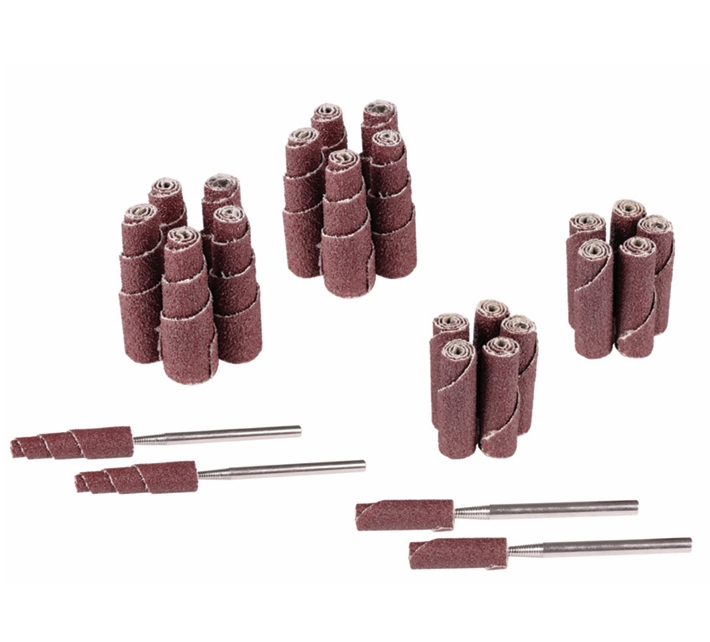
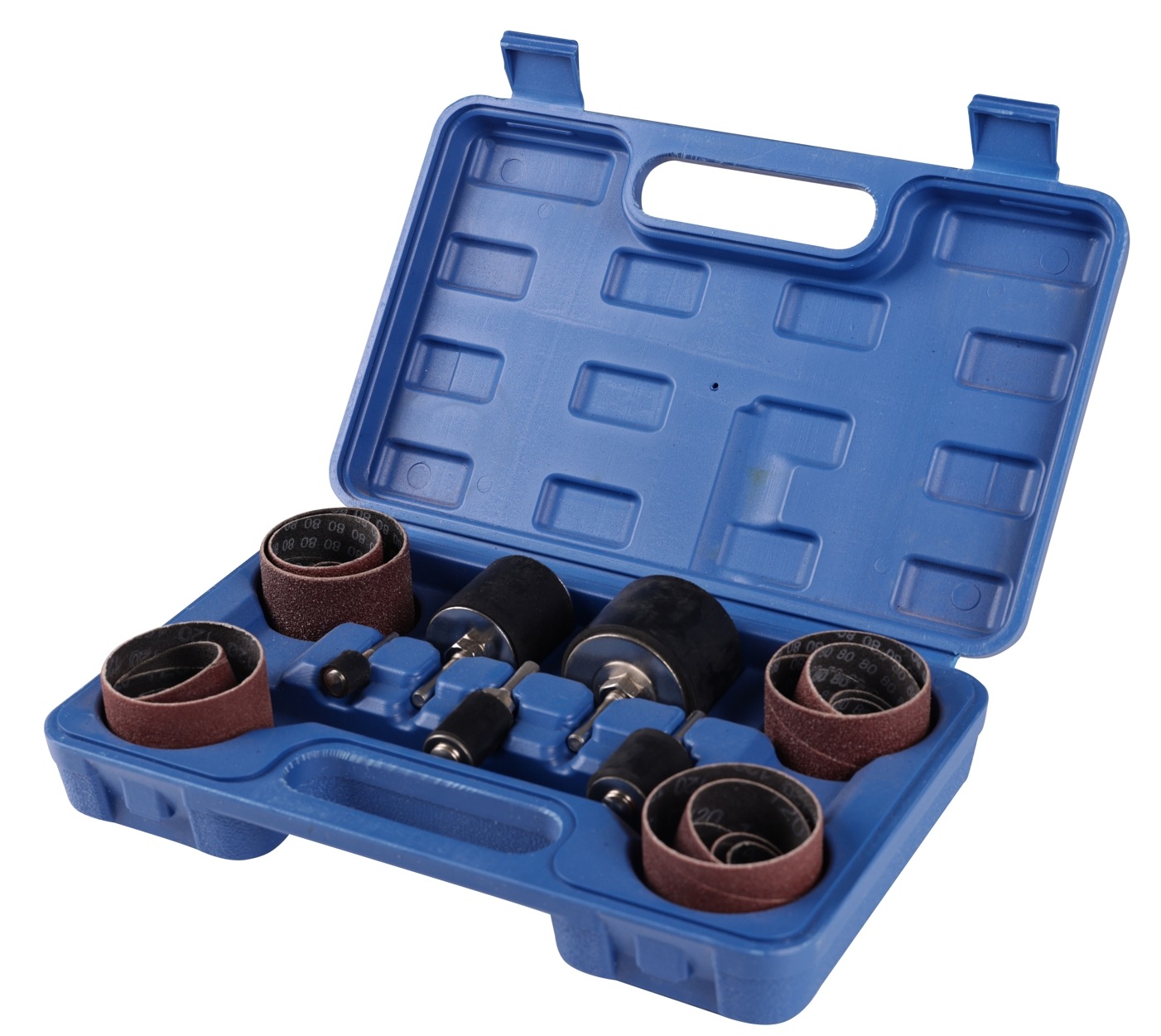
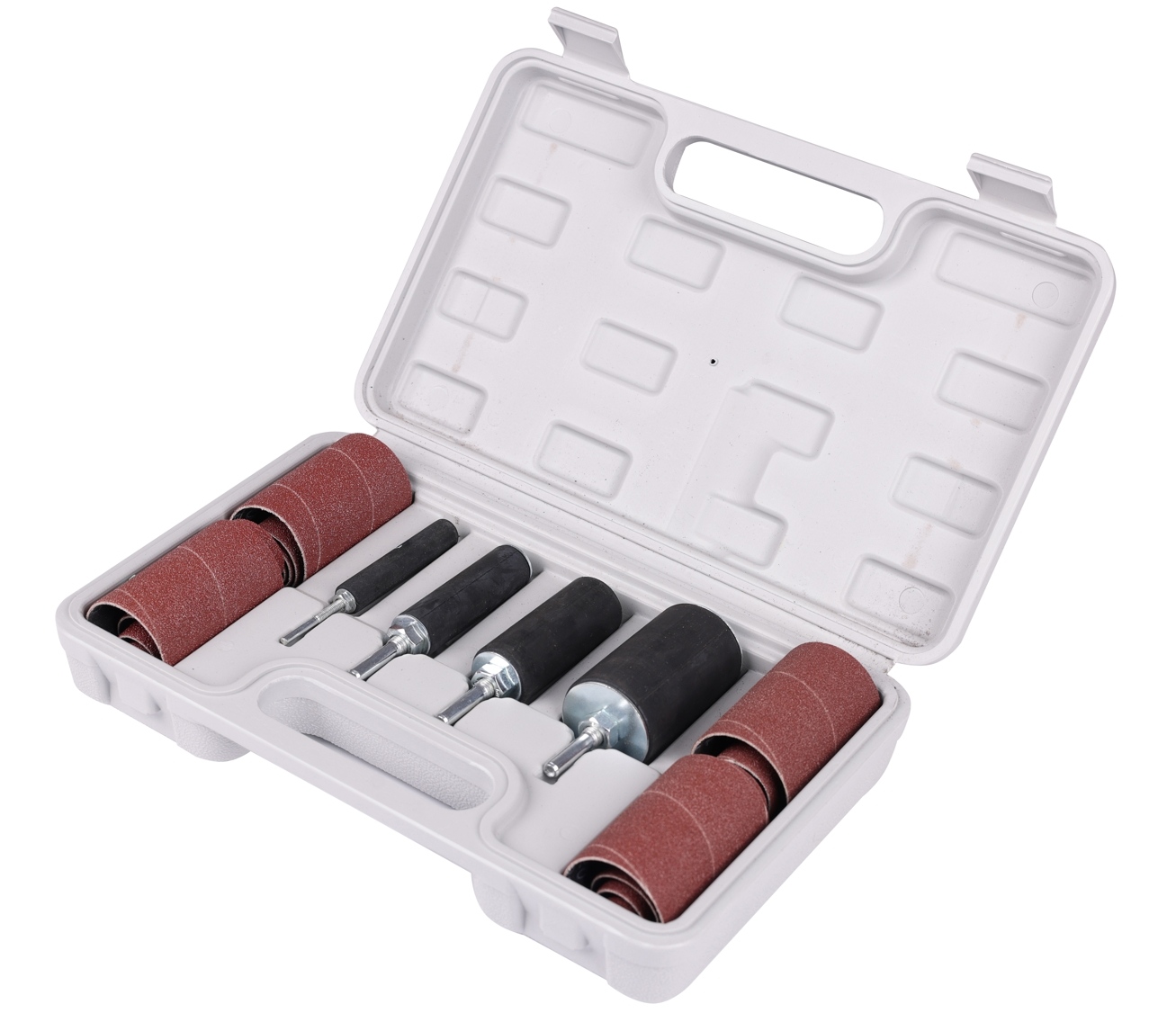
Abrasive technology is often overlooked in manufacturing, metalwork, woodworking, and automotive repair; however, it is responsible for a large portion of modern agriculture. Among the numerous daily-use abrasives, the aluminum oxide disc is notable for its remarkable versatility. Whether it’s dealing with rough welds, preparing the surface for painting, shaping wood, or polishing metal parts, this simple disc embodies a combination of materials science, precision engineering, and practical application in the real world.
Understanding the aluminum oxide disc’s function and purpose means going beyond the surface. It necessitates the examination of the chemical composition of the oxide grains, the bond system, the backing material, and the mechanism for grinding or sanding that are involved in the removal of material. This article delves into the functions, applications, creation, performance, and recreational value of aluminum oxide disks; it also provides a comprehensive understanding for professionals and enthusiasts alike.
What Is an Aluminum Oxide Disc?
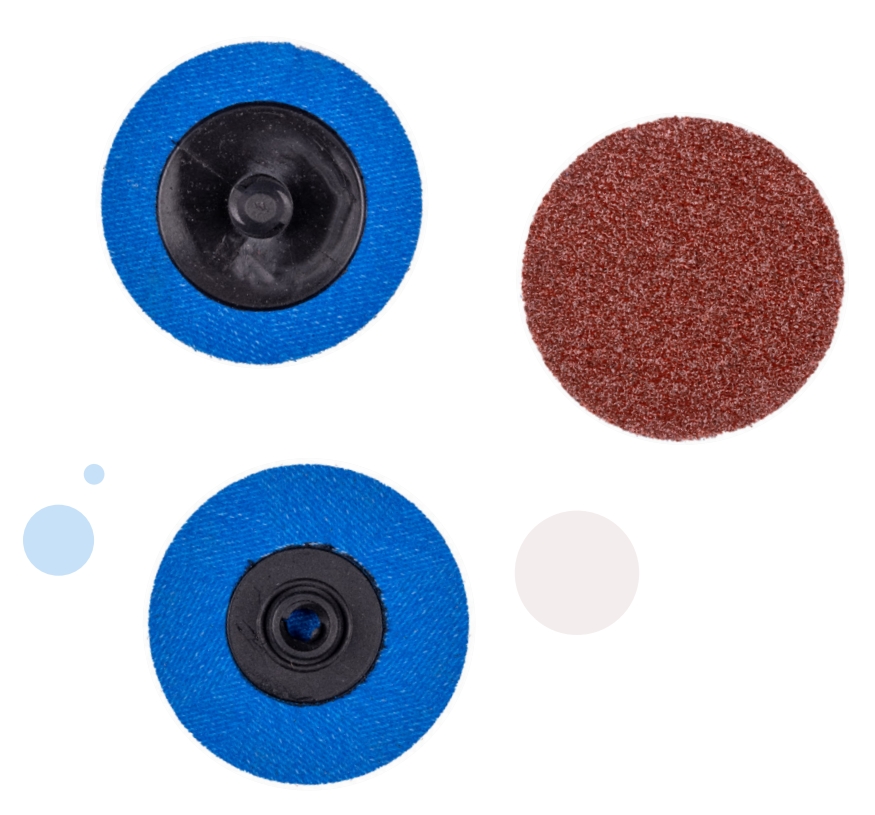
An aluminum oxide disc is a tool used for abrading that is composed of a circular core covered with aluminum oxide grains that are intended to abrade. These grains are composed of Al₂O₃, a material that is well-known for its exceptional toughness, heat resistance, and hardness.
In manufacturing, aluminum oxide is considered the most popular abrasive material on the planet. It isn’t the hardest to cut with (diamonds and ceramics are more effective), but its combination of durability, strength, and efficiency in cost makes it the most popular abrasive on the planet.
An aluminum oxide disc typically attaches to:
-
Angle grinders
-
Orbital sanders
-
Die grinders
-
Floor polishers
-
Bench-mounted sanders
Depending on its form—fiber disc, flap disc, sanding disc, velcro disc, or resin-fiber disc—it adapts to tasks ranging from aggressive stock removal to ultra-fine surface finishing.
The construction may seem simple, but every component—the abrasive grain shape, bonding resin, backing strength, grit distribution pattern—affects how the disc performs on different materials.
Why Aluminum Oxide? The Material Science Behind Its Performance
Aluminum oxide is popular for one key reason: it is hard, tough, and self-renewing.
Hardness
On the Mohs scale, aluminum oxide ranks around 9, just below diamond. This allows it to abrade metal, stone, and hard composites effectively.
Toughness
Unlike brittle abrasives that shatter easily, aluminum oxide fractures in a controlled manner, continuously exposing new sharp edges. This “micro-fracturing” is what gives aluminum oxide discs their long working life.
Heat Resistance
Metal grinding generates enormous friction. Aluminum oxide maintains structural integrity under high temperatures, reducing the risk of burn marks or disc degradation.
Versatility
It is compatible with:
-
ferrous metals (steel, alloy steel, carbon steel)
-
hardwood
-
painted surfaces
-
plastics
-
composites
-
masonry
This adaptability is why aluminum oxide remains the go-to abrasive for general-purpose use.
What Is the Use of an Aluminum Oxide Disc?
A Deep Dive into Applications Across Industries
The core function of an aluminum oxide disc is material removal, but the specific uses expand far beyond simple sanding. Below is a detailed exploration.
Metal Grinding and Deburring
In metalworking shops, aluminum oxide discs are used for:
-
removing weld splatter
-
smoothing weld seams
-
eliminating burrs from cut edges
-
reshaping metal surfaces
-
grinding down rough steel plates
Ferritic materials—like mild steel, structural steel, and certain alloys—pair especially well with aluminum oxide abrasives because the material’s hardness closely matches the cutting requirements.
Its thermal resistance prevents overheating of the disc and workpiece, which improves operator safety and reduces structural distortion in thin metals.
Surface Preparation Before Coating, Painting, or Welding
Preparing a surface before applying coatings is critical for adhesion. Aluminum oxide discs create a uniform, controlled texture on:
-
automotive body panels
-
machinery housings
-
metal doors and frames
-
shipbuilding components
-
pipeline sections
-
construction steel
This includes cleaning oxidation layers, paint remnants, rust, and mill scale.
In welding operations, aluminum oxide discs are often used to condition metal edges before joining to ensure clean, strong weld seams.
Wood Sanding and Shaping
Though metalworking dominates aluminum oxide use, woodworking also benefits enormously.
Woodworkers use aluminum oxide discs for:
-
leveling uneven boards
-
smoothing rough-sawn timber
-
shaping curves and bevels
-
removing varnish or stain
-
prepping wood for finishing
-
sanding hardwoods like oak or walnut
Aluminum oxide holds up well under the resinous, abrasive nature of hardwood species.
Automotive Repair and Refinishing
In auto shops, aluminum oxide discs are involved at nearly every stage:
-
sanding body filler
-
removing paint layers
-
smoothing repaired panels
-
blending surface levels
-
feather-edging primer lines
Its durability under continuous friction makes it suitable for orbital sanders used in automotive refinishing.
Fabrication and Industrial Manufacturing
Large-scale industries rely heavily on aluminum oxide discs, including:
-
aerospace
-
construction machinery
-
shipbuilding
-
foundry work
-
metal fabrication plants
Tasks include trimming castings, leveling welded structures, polishing machine parts, and preparing surfaces for assembly.
Polishing and Finishing of Plastics and Composites
Despite their hardness, aluminum oxide grains can be engineered in ultra-fine grits for delicate finishing on:
-
epoxy composites
-
resin panels
-
acrylic surfaces
-
fiberglass
-
carbon fiber
The key is choosing the correct backing stiffness and grit size for controlled finishing.
Types of Aluminum Oxide Discs and How They Influence Use
Different types of aluminum oxide discs shape how the abrasive interacts with the workpiece.
Resin Fiber Discs
Best for heavy stock removal on metal.
Fiber backing provides rigidity and durability.
Flap Discs
A hybrid design using overlapping abrasive flaps.
Ideal for:
-
weld blending
-
edge rounding
-
polishing metal surfaces
They offer smoother finishes compared to fiber discs.
Hook-and-Loop Sanding Discs
Common on orbital sanders. Good for woodworking and automotive refinishing.
Film-Backed Discs
Used for ultra-fine finishing, particularly in automotive paint correction and plastics manufacturing.
Cloth-Backed Discs
Highly flexible, suitable for curved surfaces or complex geometries.
Each type modifies how aggressive or refined the sanding or grinding action is.
How Grit Size Affects the Use of Aluminum Oxide Discs
Grit selection plays a decisive role in performance:
Coarse (36–60 grit):
Grinding welds, removing rust, shaping metal.
Medium (80–120 grit):
Smoothing workpieces, preparing surfaces for paint or coating.
Fine (150–240 grit):
Wood finishing, surface blending, refining contours.
Very Fine (320–2000 grit):
High-gloss finishing, polishing plastics or composite surfaces.
Choosing the wrong grit can lead to poor results, overheating, or unnecessary material loss.
Advantages of Using Aluminum Oxide Discs
Why industries rely on them
Durability
Micro-fracturing ensures continuous, sharp cutting edges.
Cost Efficiency
More affordable than ceramic or zirconia discs while delivering strong performance.
Versatility
Safe on wood, metal, plastic, composites, and more.
Heat Resistance
Resists frictional wear and thermal degradation.
Wide Availability
Offered in countless sizes, shapes, and grit combinations.
This makes aluminum oxide the baseline abrasive against which others are measured.
Key Industries That Depend on Aluminum Oxide Discs
-
Automotive manufacturing & repair
-
Aerospace machining
-
General metal fabrication
-
Construction
-
Marine shipbuilding
-
Furniture manufacturing
-
Industrial machine maintenance
-
DIY and consumer woodworking
The broad applicability ensures that aluminum oxide discs remain essential throughout global supply and production chains.
Safety and Proper Usage
Even though aluminum oxide discs are common, they require proper handling:
-
Always use the correct RPM ranges
-
Wear appropriate PPE
-
Ensure the disc is securely attached
-
Match disc type to tool type
-
Avoid excessive pressure that may generate heat
Proper technique extends disc life and reduces material waste.
The Future of Aluminum Oxide Abrasives
Innovation continues in:
-
precision-shaped grains
-
anti-clogging coatings
-
improved resin bonding systems
-
flexible backing technology
-
automated sanding systems
-
eco-friendly production
Even though advanced abrasives exist, aluminum oxide remains foundational due to its balance of performance and value.
What’s the purpose of an aluminum oxide disk?
It’s a versatile abrasive tool that is intended to grind, sand, shape, smooth, polish, and prepare surfaces across a variety of fields, including metalworking, woodworking, automotive repair, manufacturing, and other fields. Its singular combination of dureza, tenacidad, heat resistance, and accessibility is ideal for professionals and amateur craftsmen alike.
Whether intended for aggressive metal removal or delicate surface treatment, aluminum oxide disks have continued to serve as a powerful component of modern technology, representing the quiet but essential nature of engineering behind technological advancement.