
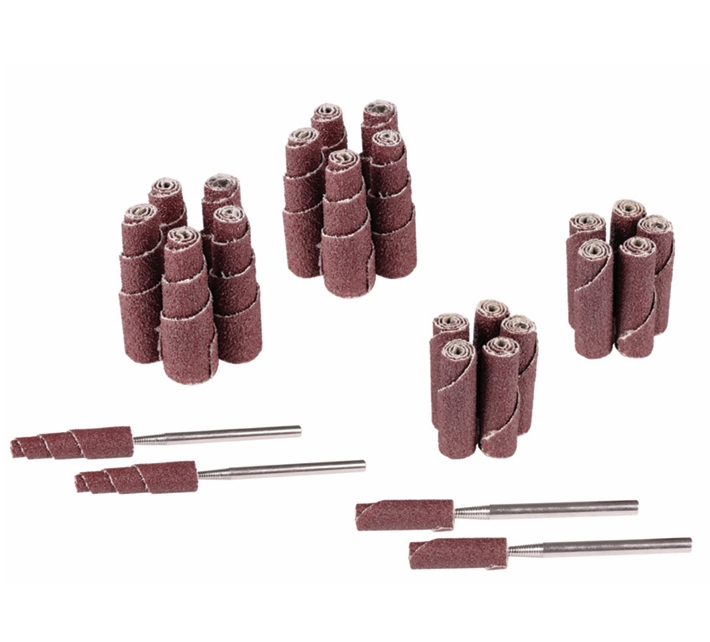
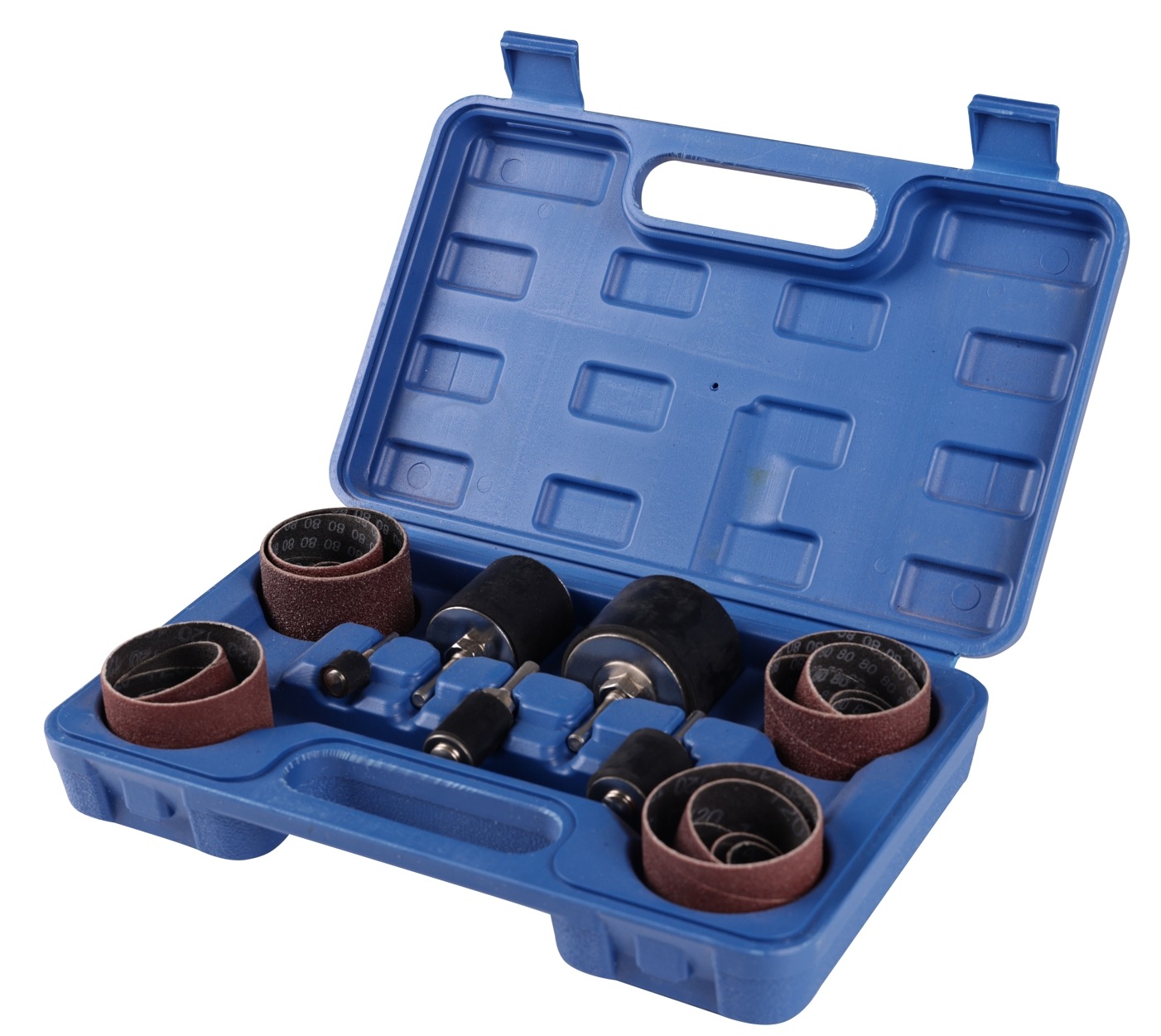
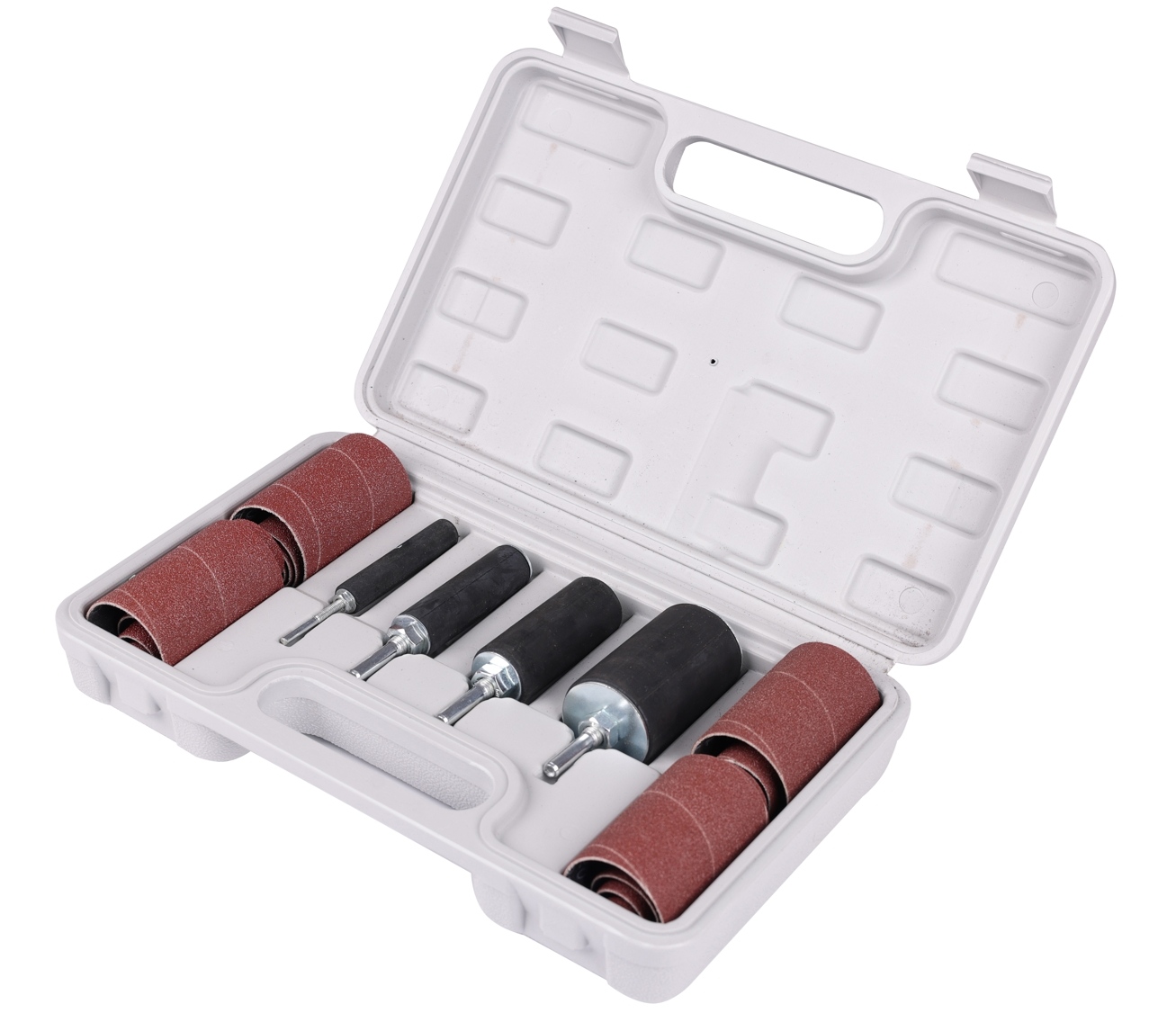
If you have wood, metal, or composites as your work, chances are that an oscillating spindle sander is one of the most beneficial tools in your shop. It’s the uncontested champion in terms of smoothing curled edges, refining intricate shapes, and achieving a flawless finish that other sanders can’t match up to. The center of this versatile machine is a simple, but essential component: the sleeve that sands.
Everyone recognizes the emotion. You slide through a brand-new sanding mechanism, make several passes, and it’s like magic. The substance just dissociated, leaving a beautifully flat surface. However, that magical power is often lost quickly. The sleeve is filled with resin, it’s lost its grasp, or it’s even burned, and it’s useless. You find yourself consistently attempting to add a new sleeve, eventually,y you will have a growing stack of unused abrasives and a diminishing wallet.
What if I told you the time required to sand is less significant in regard to the price tag, and more significant in regard to how you utilize it?
After years of use at the craftsman, I’ve learned that simple alterations to technique and maintenance can greatly extend the life and improve the performance of every single sleeve for sanding that you purchase. It’s not about being budget-friendly; it’s about being intelligent and effective. It’s about honoring your resources and your tools.
So, take a cup of coffee, and let’s discuss the following professional recommendations that will help you budget, reduce frustration, and have a better outcome every time.
Tip #1: Let the Tool Do the Work – The Myth of “More Pressure”
This is the number one mistake I see beginners make. When a sanding sleeve seems to be cutting slowly, their first instinct is to push the workpiece harder against the spindle. This is the fastest way to destroy your sleeve and ruin your project.
The Problem:
Abrasives work by cutting, not by rubbing. Each tiny grain on your sanding sleeve is a microscopic cutting tool. When you apply excessive pressure, you’re not helping it cut; you’re actually forcing the grains to tear and dull prematurely. Worse, the immense friction you create generates a massive amount of heat. This heat melts the wood resin and the glue holding the abrasive grains, causing them to get clogged instantly. It also leads to those ugly brown “burn” marks on your workpiece, which are a nightmare to remove.
The Pro-Tip:
Apply just enough pressure for the abrasive grains to engage with the material. Let the speed of the spindle and the sharpness of the grit do the cutting. You should feel a smooth, consistent removal of material, not a forced, grinding sensation. If you find yourself needing to push hard, it’s a sign that you need to move to a coarser grit or that your sanding sleeve is simply worn out or clogged (we’ll get to that later). A light touch not only saves your sleeve but also gives you far more control and a better final finish.
Tip #2: Keep It Moving – The “Up and Down” Dance
Have you ever noticed a worn-out sanding sleeve? Often, there’s a narrow, dark band right in the middle where it’s completely worn smooth, while the top and bottom edges are still almost new. This is a classic sign of inefficient use.
The Problem:
If you hold your workpiece stationary at one height against the spinning and oscillating spindle, you are only using a tiny fraction of the available abrasive surface. This small band does all the work, heats up quickly, and wears out in a fraction of the time it should.
The Pro-Tip:
Master the “up and down” dance. As you guide your workpiece along the curve, simultaneously and slowly move it up and down along the height of the sanding sleeve. This simple motion does two wonderful things:
- It distributes the wear evenly across the entire surface of the sleeve, dramatically increasing its usable lifespan.
- It prevents heat buildup in any single area, reducing the risk of burning your wood and clogging the sleeve.
This technique ensures that you get your money’s worth out of every square inch of your sanding sleeve.
Tip #3: The Logical Progression – Don’t Skip Grits
Patience is a virtue, especially in sanding. It’s tempting to jump from a very coarse 60-grit sanding sleeve straight to a fine 220-grit sleeve to save time. This is a false economy.
The Problem:
Each grit size is designed to remove the scratches left by the previous, coarser grit. A 120-grit sleeve is not designed to remove the deep valleys carved by a 60-grit sleeve. If you make too large a jump, you will spend ages trying to sand out the deep scratches with a fine grit. The fine sanding sleeve will quickly become clogged and useless before it has even had a chance to properly polish the surface. You’ll end up with a surface that looks smooth from a distance but reveals a network of deep scratches upon closer inspection.
The Pro-Tip:
Work your way through the grits logically. A standard, proven progression is 80 -> 120 -> 180 -> 220. Never skip more than one grit in the sequence. For example, going from 80 to 150 is acceptable, but going from 80 to 220 is not. Each step should feel relatively quick and efficient. If you find yourself spending more than a few minutes on one step, it’s a sign your previous step didn’t do its job properly. This methodical approach will give you a better finish faster and will use your sanding sleeves in the way they were intended.
Tip #4: Give Your Sleeve a “Bath” – The Magic of a Cleaning Stick
This is the tip that often elicits a “Why didn’t I know this sooner?!” reaction. Over time, especially when sanding soft, resinous woods like pine, your sanding sleeve will become “loaded” or clogged. The gaps between the abrasive grains get packed with wood dust and melted resin, turning your sharp cutting tool into a smooth, useless burnishing stick. Most people throw the sleeve away at this point. Don’t!
The Problem:
A clogged sanding sleeve doesn’t cut; it rubs. This generates heat, burns the wood, and can no longer produce a smooth finish. 90% of the time, the abrasive grains are still sharp; they’re just buried under a layer of gunk.
The Pro-Tip:
Invest in an abrasive cleaning stick. It looks like a giant pencil eraser and is made of a special type of natural rubber. With the sander running, simply press the stick firmly against the moving sanding sleeve. You will be amazed as you watch the rubber grab the caked-on residue and pull it right off, revealing the fresh, sharp abrasive underneath. A 10-second cleaning can make a clogged sleeve feel almost brand new. This simple tool can easily double or triple the effective life of each sanding sleeve, paying for itself almost immediately.
Tip #5: Choose the Right Abrasive for the Job
Not all sandpaper is the same, and the material your sanding sleeve is made from matters a lot. Using the wrong type of abrasive for your material is like trying to cut a steak with a butter knife.
The Problem:
Using a standard aluminum oxide sleeve, which is great for wood, to grind a piece of steel will dull it almost instantly. Conversely, using a super-aggressive ceramic sleeve on a piece of soft pine might remove material too quickly and be difficult to control.
The Pro-Tip:
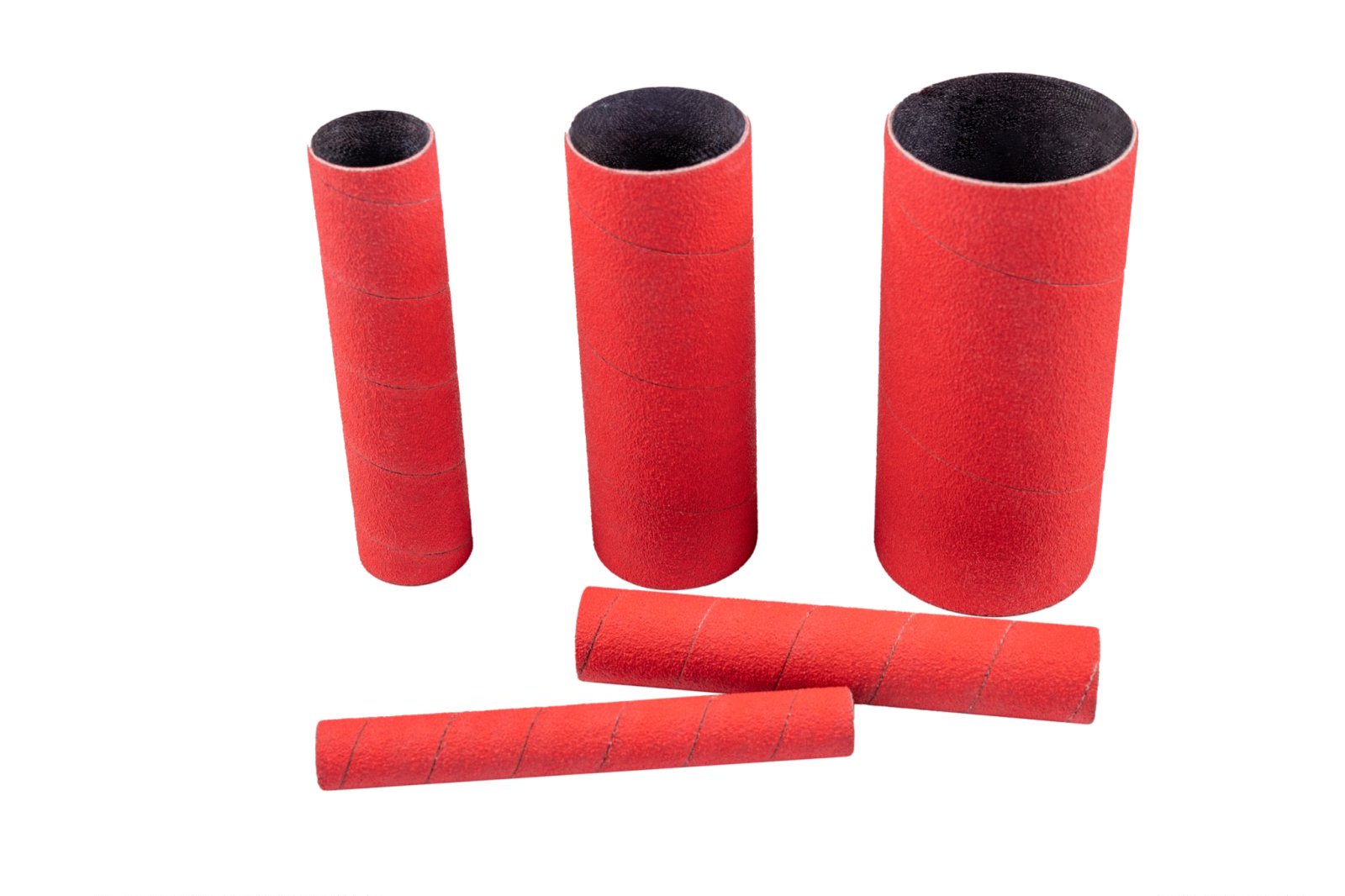
Understand the basic abrasive types and match them to your task.
- Aluminum Oxide: Your go-to for almost all woodworking. Great value and performance.
- Zirconia Alumina: A step up. It’s tougher and self-sharpening, making it excellent for hardwoods and for removing stock on metals. It lasts much longer than aluminum oxide on tough jobs.
- Ceramic Alumina: The top-tier “powerhouse.” Use this for heavy-duty metal grinding and shaping. It’s the most durable and longest-lasting, but also the most expensive. It is overkill for most woodworking.
Using the correct material for your sanding sleeve ensures optimal performance and prevents you from wasting money by using the wrong tool for the job.
Tips #6-9: Quick Hits for a Longer Life
These next few are quick, simple habits that collectively make a big difference.
Tip #6: Store Them Properly: Don’t just toss your sanding sleeves in a damp drawer. Humidity is the enemy. It can weaken the glue bond and cause the sleeve to become brittle. Store your sleeves in a dry, climate-controlled space, preferably in their original packaging or a labeled container.
Tip #7: Inspect Your Drum: Before sliding on a new sanding sleeve, inspect the rubber drum on your sander. Is it clean? Is it damaged or out of balance? A warped or lumpy drum will cause the sleeve to wear unevenly and can induce vibration. Keep your drums clean and replace them if they show signs of damage.
Tip #8: Install It Correctly: Ensure the sanding sleeve is fully seated and snug on the drum. A loose sleeve can vibrate, tear, or slip during use, which is both ineffective and dangerous. It should slide on with a firm fit but not require excessive force.
Tip #9: Use a Dust Collector: This is non-negotiable for your health, but it also helps your sleeve. An effective dust collection system pulls the fine dust away from the cutting surface before it has a chance to get packed into the grit. A cleaner cutting surface means less clogging and better performance.
Tip #10: Know When to Say Goodbye
Even with all these tips, a sanding sleeve is a consumable item. It will eventually wear out. Knowing when to retire a sleeve is just as important as knowing how to care for it.
The Problem:
Continuing to use a dull, worn-out sleeve is counterproductive. You’ll find yourself applying more pressure (violating Tip #1), generating more heat, and getting a poor finish. You’re wasting your time and risking your workpiece to save a couple of dollars on a new sleeve.
The Pro-Tip:
Learn to recognize the signs of a truly “dead” sleeve.
- Visual Cue: The surface looks smooth and shiny, with very little visible grit.
- Tactile Cue: It feels smooth to the touch, not sharp and “grippy.”
- Performance Cue: You have to apply significant pressure to remove any material, and it starts generating more heat than dust.
When you see these signs, even after a good cleaning, it’s time to thank the sanding sleeve for its service and replace it. Don’t be a hero. A fresh sleeve is always the most efficient and effective tool.
Smart Work over Hard Work
Maximizing the length of your sleeves while sanding is about mindfulness. It’s about recognizing that these simple abrasive tubes are precision instruments that reward effective technique and care.
By implementing these professional tips into your work process, you will not only save a significant amount of money on consumables over the long haul, but you will also have increased efficiency, reduce frustration, and consistently produce a superior result. It’s a complete triumph. Next time you employ a new method of sanding, remember these rules. Your wallet and your endeavors will appreciate your help.