
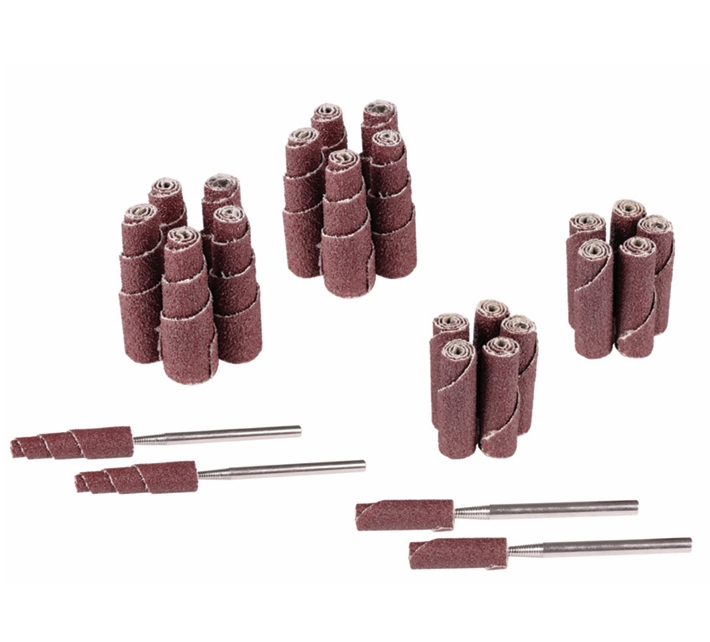
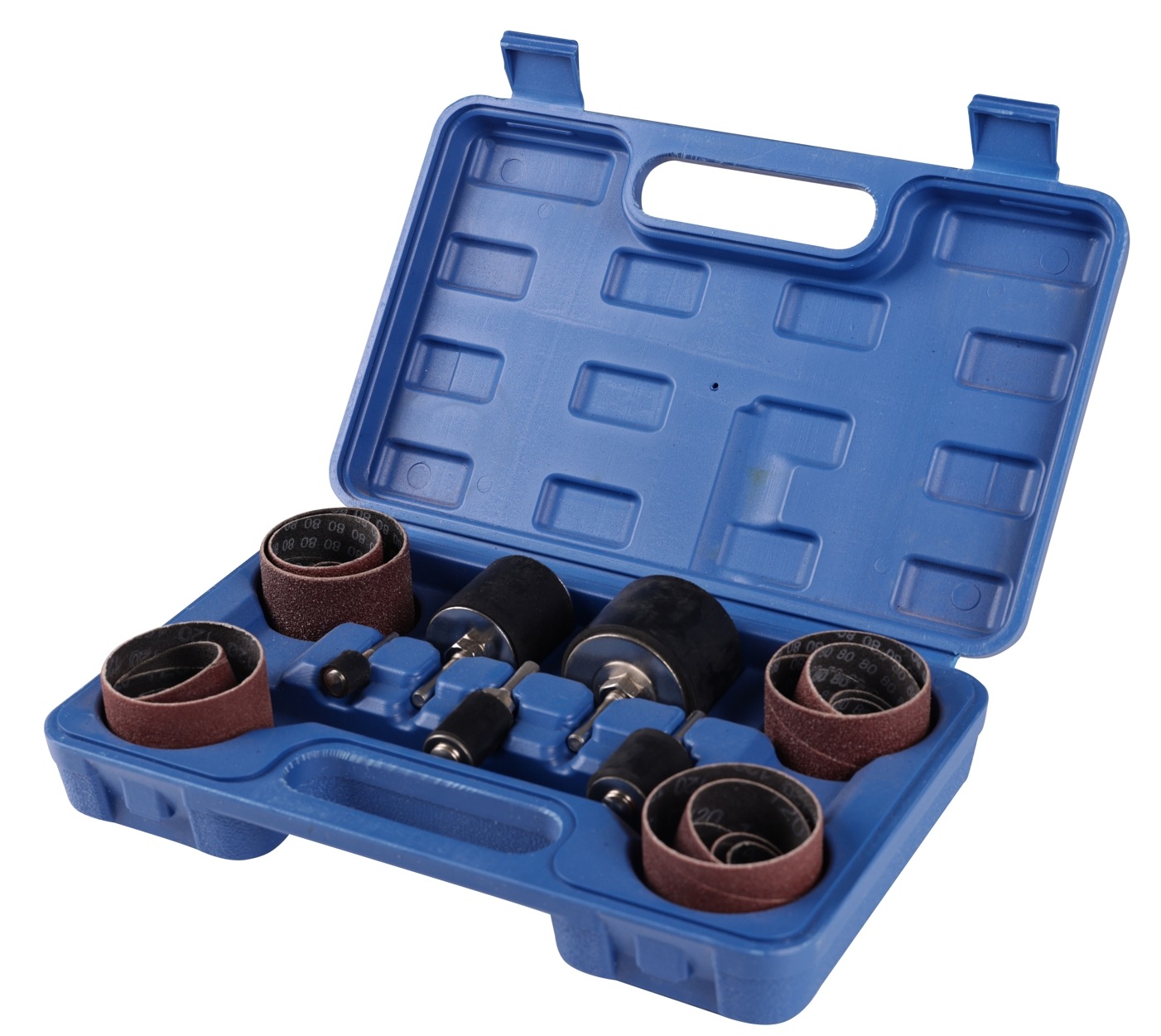
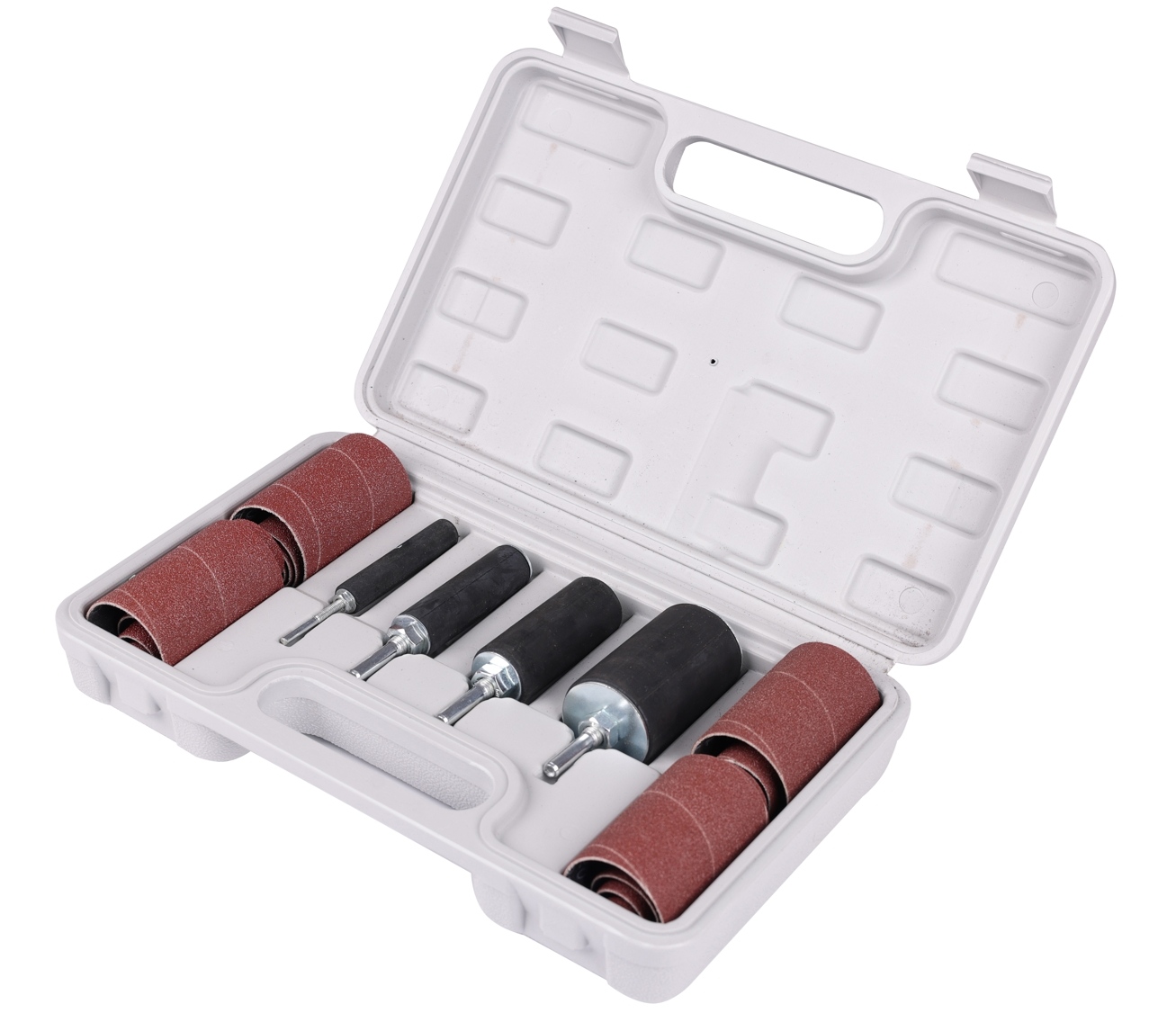
Sanding drums are essential tools in both industrial and DIY material finishing, enabling smooth surfaces, precise shaping, and fine detailing. Whether working with wood, metal, or composite materials, selecting the right sanding drum can significantly impact the efficiency, precision, and quality of the work. For manufacturers, hobbyists, or workshop managers, understanding the factors involved in choosing and maintaining sanding drums is critical to achieving optimal results while extending tool life.
A sanding drum is more than a cylindrical attachment; it is a system that combines drum body, abrasive sleeves, and rotation to deliver consistent material removal. Its applications range from surface smoothing and deburring to contour shaping and edge finishing. Selecting the correct sanding drum involves considering the drum type, abrasive material, grit size, machine compatibility, and operating conditions. Ignoring these factors can lead to uneven finishes, increased wear on tools, or even safety hazards.
The Purpose of Sanding Drums
Before selecting a sanding drum, it is important to clearly define its intended application. The choice of drum depends on the material, the type of finish required, and the desired level of precision.
For example, a woodworking shop may prioritize drums that deliver a fine, smooth finish on hardwood or softwood surfaces. In contrast, a metal fabrication workshop might focus on deburring sharp edges or removing oxidation from aluminum or steel. Composite materials, plastics, and foam require a different approach to avoid melting, tearing, or excessive material removal.
The size of the sanding drum also impacts its functionality. Larger drums are suitable for broad, flat surfaces and high-volume material removal, while smaller drums are ideal for intricate shaping, edge detailing, and confined areas. Rotational speed and compatibility with existing rotary tools or drum sanders must be considered to ensure safety and effectiveness.
Key Factors to Consider When Choosing a Sanding Drum
Several factors must be evaluated to select the right sanding drum. These include material compatibility, abrasive type, grit size, drum body construction, and machine matching. Each factor contributes to the overall performance and lifespan of the sanding drum.
-
Material Compatibility
The type of material you intend to sand dictates the choice of abrasive and drum hardness. For example:
-
Wood: Soft and hard woods require abrasives that remove material efficiently without tearing the grain. Aluminum oxide and silicon carbide are common choices.
-
Metal: Stainless steel, aluminum, and non-ferrous metals require strong abrasives such as zirconia alumina for durability and precision.
-
Plastic and Composites: Fine-grit sanding drums with flexible backing help avoid melting or uneven surfaces.
Selecting the correct abrasive for the material ensures consistent performance and prolongs the life of both the drum and the workpiece.
-
Abrasive Type and Grit Selection
Abrasive type and grit size directly influence surface finish and material removal rate. Sanding drums are available in a variety of abrasive types:
-
Aluminum Oxide: Durable and versatile; suitable for wood, metal, and some plastics.
-
Silicon Carbide: Sharp, long-lasting; ideal for harder materials and fine finishing.
-
Ceramic Abrasives: High-performance, suitable for heavy-duty metalwork and industrial applications.
Grit selection is equally important. Coarse grits (40–60) are used for rapid material removal, medium grits (80–120) for smoothing, and fine grits (150–400+) for finishing and polishing. Matching grit to the intended surface and desired finish prevents scratches, uneven surfaces, or material over-removal.
-
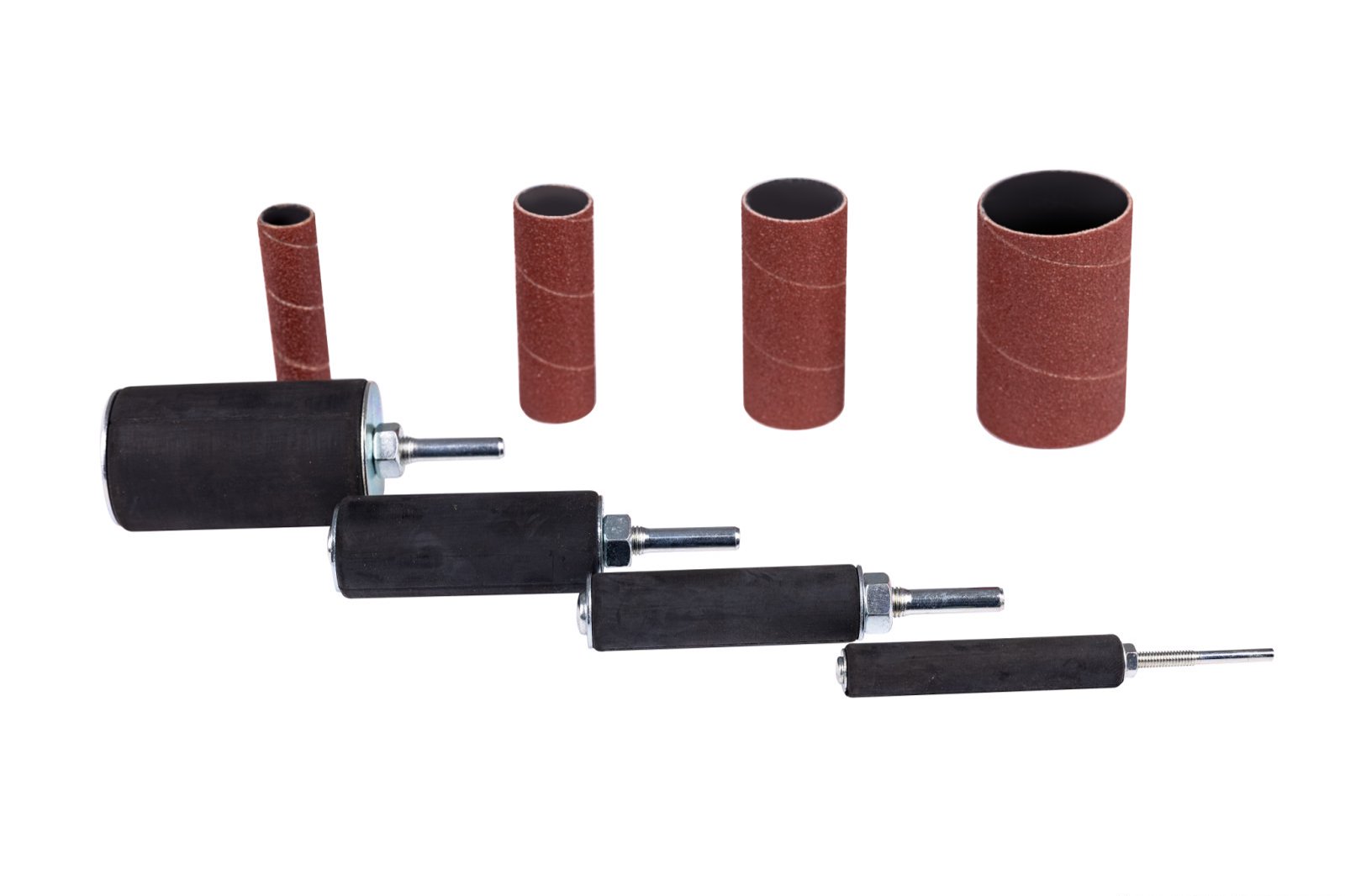
Drum Body and Sleeve Considerations
The drum itself can vary in material and construction. Key considerations include:
-
Rubber Drums: Flexible, provide uniform pressure, and adapt to contoured surfaces. Commonly used in woodworking.
-
Metal Drums: Rigid, durable, and suitable for heavy-duty metal or composite work.
-
Plastic or Composite Drums: Lightweight, corrosion-resistant, and ideal for specialized applications.
The drum diameter, length, and arbor size must match the sanding machine or rotary tool to ensure stable operation and safety. Flexible drums often work best with adjustable speed tools, allowing finer control over surface finishing.
Critical features of sanding drums include:
-
Secure attachment of abrasive sleeves to prevent slipping
-
Smooth rotation for consistent material removal
-
Adequate stiffness or flexibility based on application
-
Compatibility with standard rotary tools or specialized drum sanders
Machine Compatibility and Operational Considerations
A sanding drum’s performance is determined not only by its own characteristics but also by the machine it is attached to. Speed, torque, and power output influence the effectiveness of sanding and the quality of the finish. Higher RPMs may remove material faster but can overheat sensitive materials, while lower speeds offer better control for precision work.
Safety features of the machine also matter. Adjustable speed controls, guards, and dust extraction systems improve both efficiency and operator safety. Understanding the operational limitations and capabilities of the sanding equipment ensures that the drum is used within its design parameters.
Maintenance and Longevity of Sanding Drums
Proper maintenance extends the life of sanding drums and preserves finish quality. Key maintenance practices include:
-
Regular inspection for wear or damage to the abrasive sleeve
-
Cleaning or replacing clogged or worn abrasives
-
Proper storage to prevent warping or deformation
-
Using recommended RPMs and avoiding excessive pressure during sanding
By following these practices, both the drum and the workpiece benefit from consistent performance and reduced operational costs.
Applications Across Industries
Sanding drums have wide-ranging applications:
-
Woodworking: Smoothing furniture surfaces, shaping edges, and removing old finishes.
-
Metalworking: Deburring, polishing, and finishing fabricated metal parts.
-
Plastic and Composite Fabrication: Refining edges and preparing surfaces for painting or coating.
-
Industrial Manufacturing: Achieving precise tolerances and surface textures on high-volume production parts.
The versatility of sanding drums makes them indispensable tools for workshops, factories, and hobbyists alike. Choosing the right drum ensures efficiency, precision, and consistent results.
Selecting a Reliable Supplier
For businesses, sourcing high-quality sanding drums is critical. A reputable supplier provides:
-
Consistent quality across batches
-
Variety in drum sizes, materials, and abrasives
-
Technical support and guidance for material-specific applications
-
Compliance with international standards and safety certifications
Collaborating with a trusted supplier reduces downtime, improves product quality, and enhances overall workshop efficiency.
Selecting the right sanding drum involves balancing material compatibility, abrasive type, grit selection, drum construction, machine matching, and maintenance practices. High-performance sanding drums improve efficiency, precision, and finish quality, while poorly chosen drums can cause uneven surfaces, excessive wear, and safety risks.
For manufacturers, workshops, and industrial users, understanding these factors is essential. By investing in quality sanding drums, matching them to the right materials, and following proper operational protocols, users can achieve superior results across woodworking, metalworking, plastic fabrication, and industrial manufacturing. A well-chosen sanding drum is not just a tool—it is a cornerstone of material finishing excellence.